
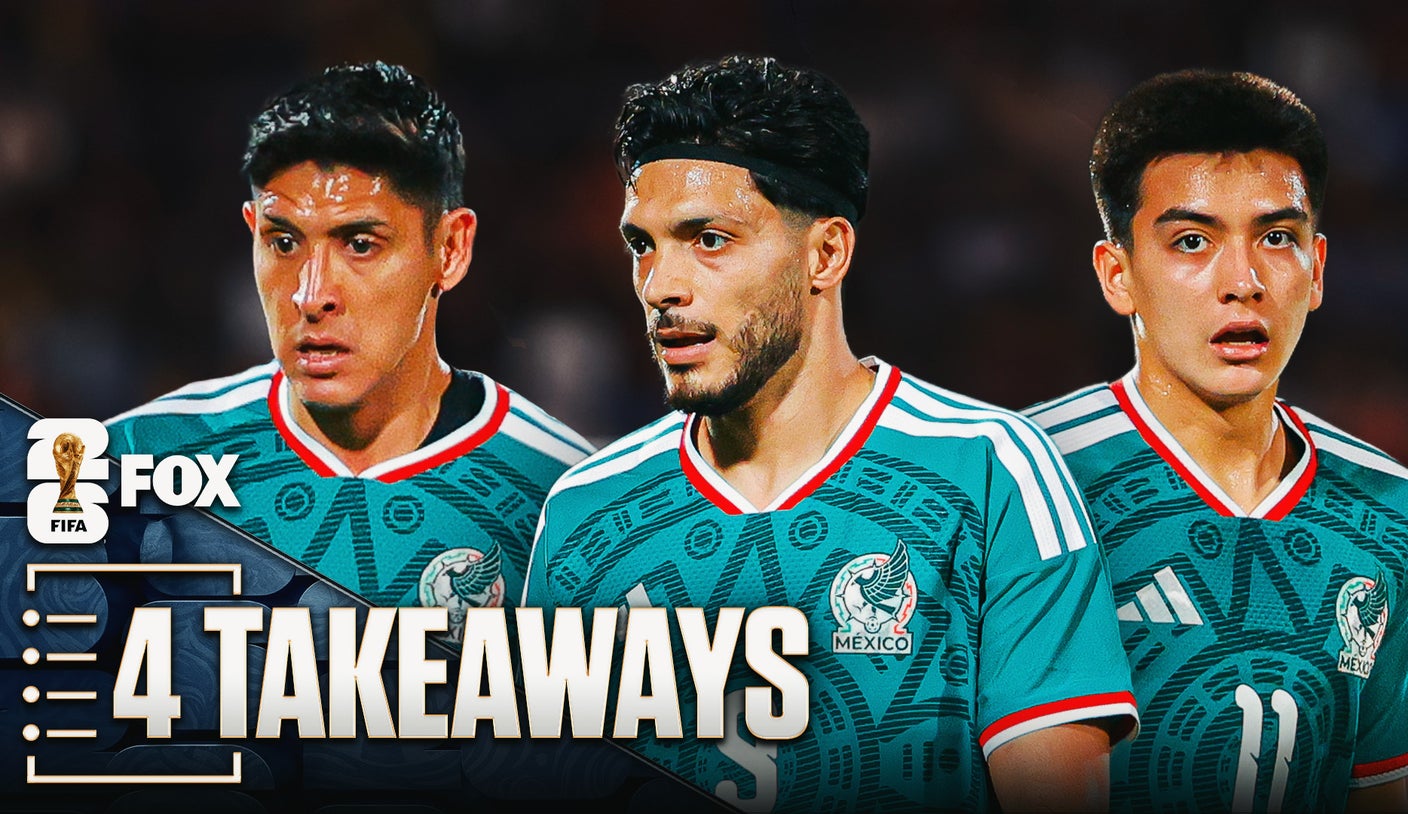
For the first time since 1986, Mexico City will be the site of the opening match of a FIFA men’s World Cup when the 2026 edition kicks off, but it will be even more poignant than the one from 40 years ago.
This opener will actually include Mexico’s national team, as the one back in 1986 had then-defending champions Italy taking on Bulgaria. Expect plenty of emotion, but now it is time to remove the sentiment and dive into the team’s 26-man roster. Javier “El Vasco” Aguirre (a member of Mexico’s 1986 squad) is in his third managerial stint with El Tri. Pundits and supporters alike are hoping that playing co-hosts and having the support on home soil will play a significant role towards a successful campaign.
And when I say “home soil” I’m also including the U.S. because the team’s support is arguably, distinctively unrivaled. Guadalajara or Los Angeles, CDMX or Dallas—it doesn’t matter. México’s players will always have vibrant and loud support at any of their games, either here or there.
Here are my takeaways:
1. Did Someone Call For Aguirre?
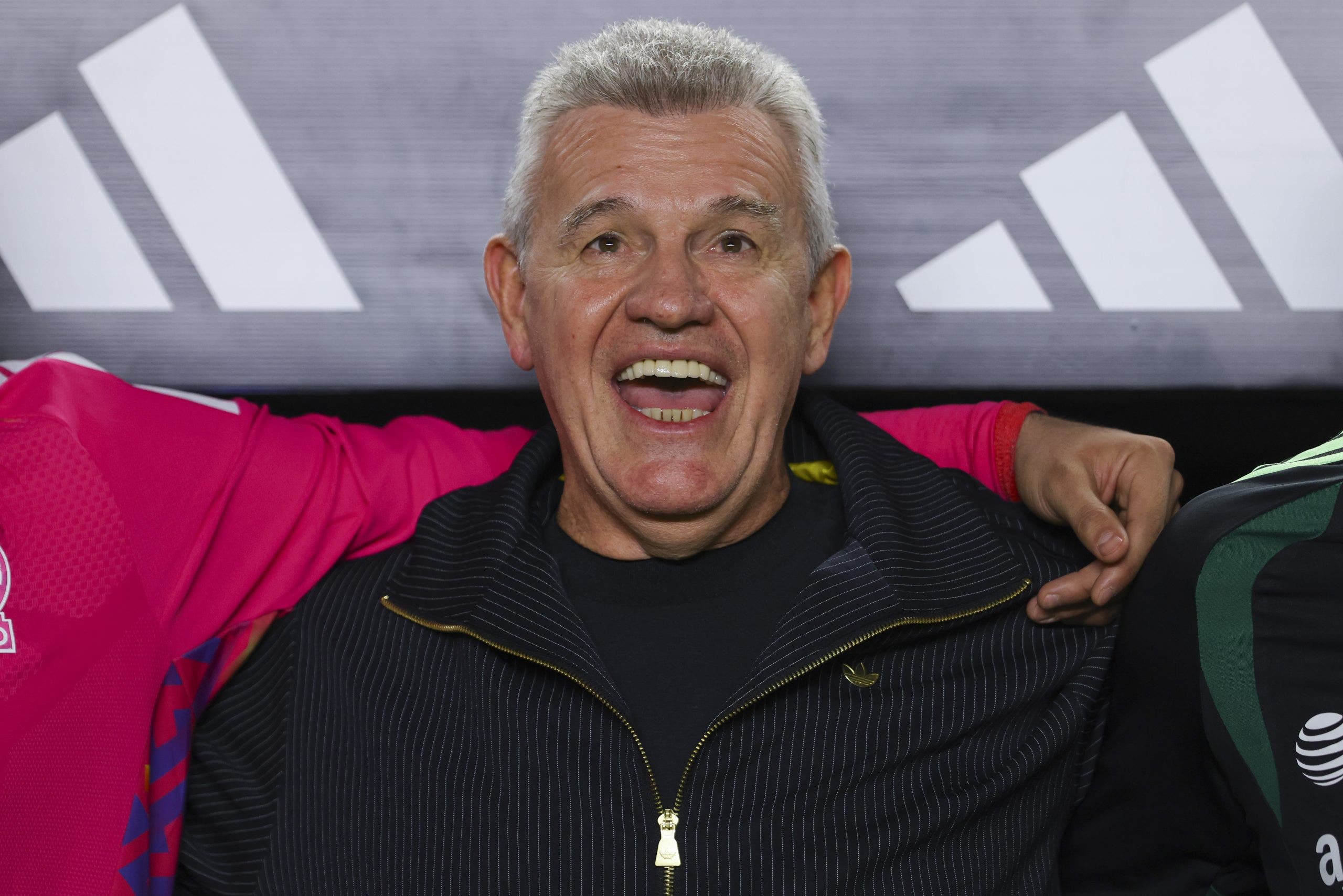
(Photo by Agustin Cuevas/Getty Images)
Aguirre works as something of a crisis-solver. His management is akin to “The Wolf” – Harvey Keitel’s character from Pulp Fiction – where he enters a problematic situation and fixes it.
For the 2002 World Cup, México was on the brink of bowing out of qualification and Aguirre stepped in, confirming a spot and even winning the group before losing to its arch-nemesis, the United States, in the knockout stages. For 2010, once again, Aguirre replaced the late Sven Göran-Eriksson halfway through the poor qualifiers and rescued El Tri, taking them once again to the promised land before eventually losing in the Round of 16 to Argentina.
For this World Cup, he has adopted a grueling training camp where preparations have been ongoing, including controversially pulling players away from domestic campaigns. Aguirre wants to give them what he went through as a player back in the aforementioned 1986 tournament, where brotherhood-and-blue-collar-like mentality took center stage. Of course, it helped to have the legendary Hugo Sánchez. But you get my point.
Aguirre wants México to be made of steel for this tournament, which will hopefully push them through any kind of obstacle, no matter the opponent. The objective? If you ask any Mexico fan, it’s quite simple really.
To reach the infamous quinto partido (fifth match) — or sexto partido in this case due to the expansion of the tournament with an extra round — as Mexico has not reached the quarterfinals of a World Cup since — yup, you guessed it, 1986. Aguirre is hoping to change that.
2. Teenage Sensation Mora Leads New Era
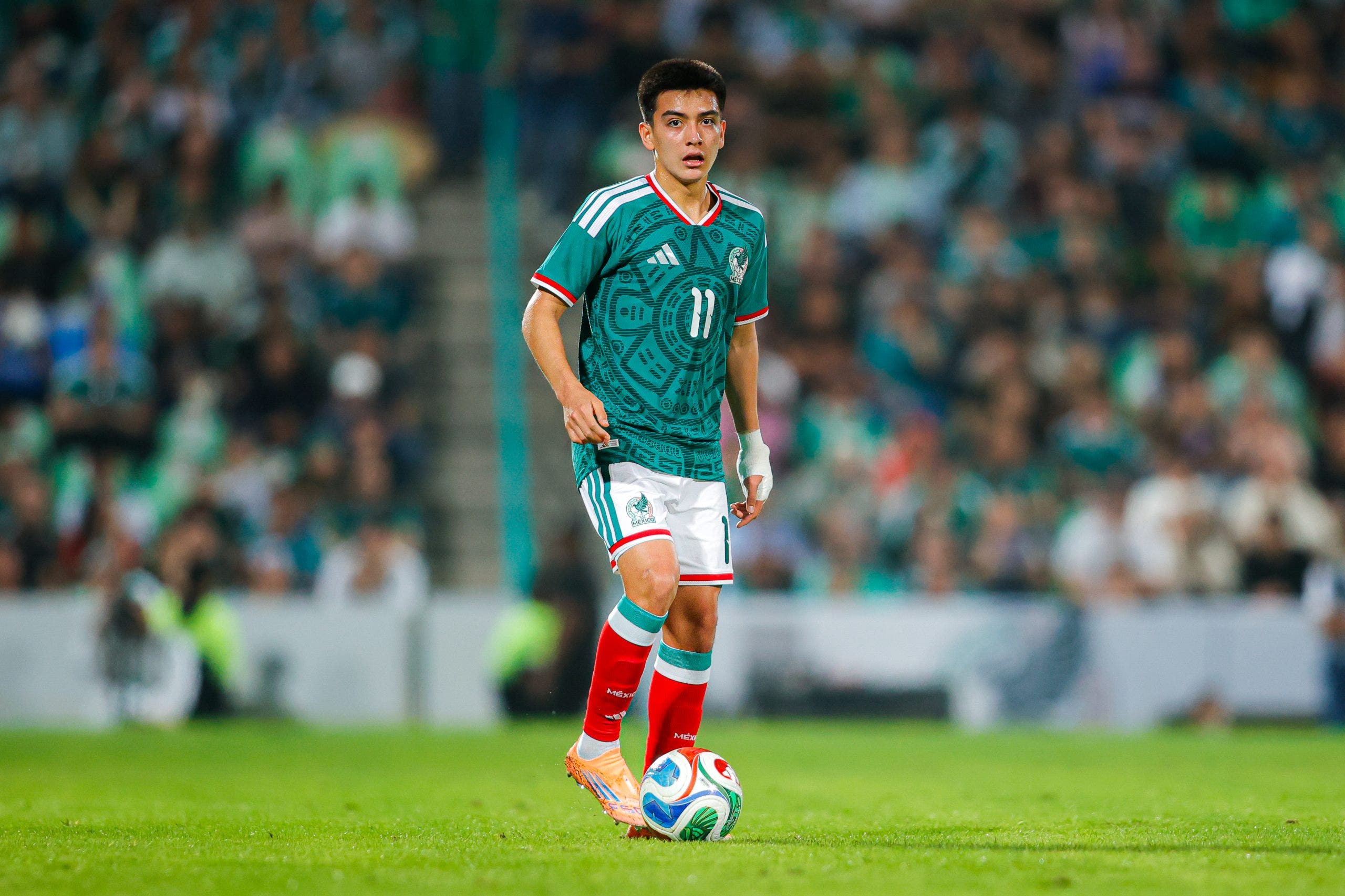
(Photo by Yair Gonzalez/Jam Media/Getty Images)
This squad is diverse, mixed with experience, youth, domestic and international know-how. It could, maybe, offer something special. So let’s hope for the sake of every Mexico fan, the nation rallies behind this squad because this team will never have this kind of home support ever again.
The team has defensive veteran presence. Center-back duo César Montes and Johan Vásquez have played in Europe for numerous seasons. Edson Álvarez, who could be used in the backline or in his usual defensive midfielder role, is slowly returning from a prolonged injury. But the main talking point with this roster is that Aguirre is placing a lot of faith in fresh faces. There are 13 players who were not part of the previous World Cup in Qatar, when they failed to get out of the group stage.
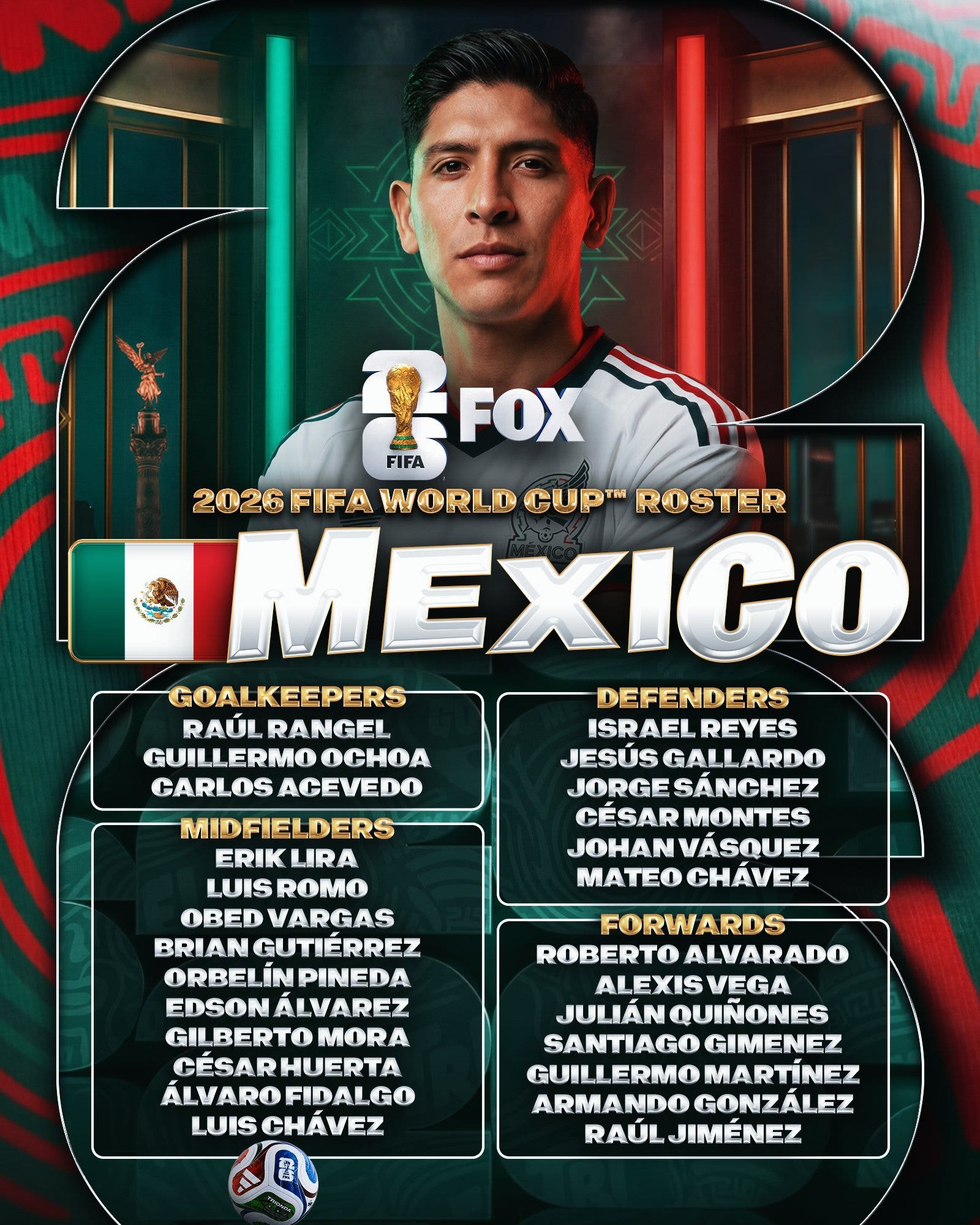
All eyes especially are on the teenage sensation Gilberto Mora, and at 17 years and 239 days old, the midfielder from Tijuana will become the youngest player to appear in a World Cup match for México if he features in the opener against South Africa—a current record held by Manuel “Chaquetas” Rosas, when the 18-year-old featured in 1930. Mora is a special talent with obvious eyes from Europe interested in him, including Real Madrid.
Then there are several dual-national players who will be key to México’s success at this tournament. Colombia-born striker Julián Quiñones, who scored 33 goals this season with Al Qadsiah in the Saudi Pro League (more than England’s Ivan Toney or Portugal’s Cristiano Ronaldo), could push to start. Spain-born Álvaro Fidalgo, who helped Club Ámerica win three Liga MX titles before a move to Real Betis, feels like a lock in the midfield.
And two U.S.-born players in Brian Gutiérrez and Obed Vargas (how often do you see an Alaskan playing for Atlético Madrid?) provide some flexibility, balance and youth in a very demanding tournament.
3. Memo’s Back, But Will There Be A Party?
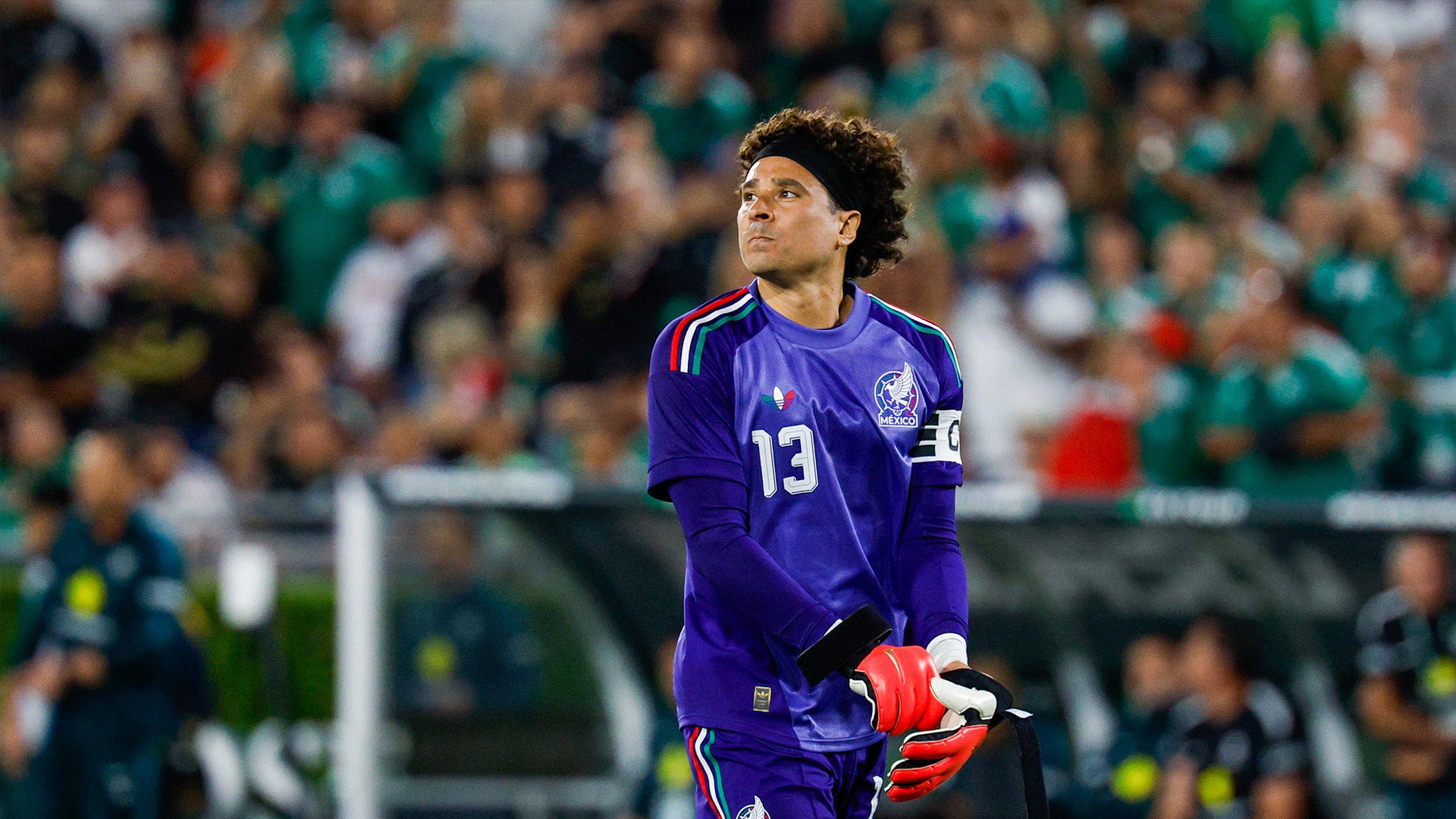
When it comes to this sport, Cristiano Ronaldo and Lionel Messi are in rarefied air. So it’s pretty unique for a player to join those two in anything.
Mexico goalkeeper Guillermo “Memo” Ochoa is set for his sixth trip to the World Cup, joining Messi and Ronaldo in this feat. And while the 40-year-old stopper has only played in four of those editions (2010, 2014, 2018, 2022), Ochoa could help his national team once again.
The door swung open for Ochoa to make history after presumed starter Luis Ángel Malagón suffered a devastating Achilles injury in March while on duty with Club América. Raúl “Tala” Rangel from Chivas has taken over the starter role for Mexico, but to have Ochoa in the unit is a special opportunity, and you never know, he might just be called up to action.
4. A Strikers Conundrum
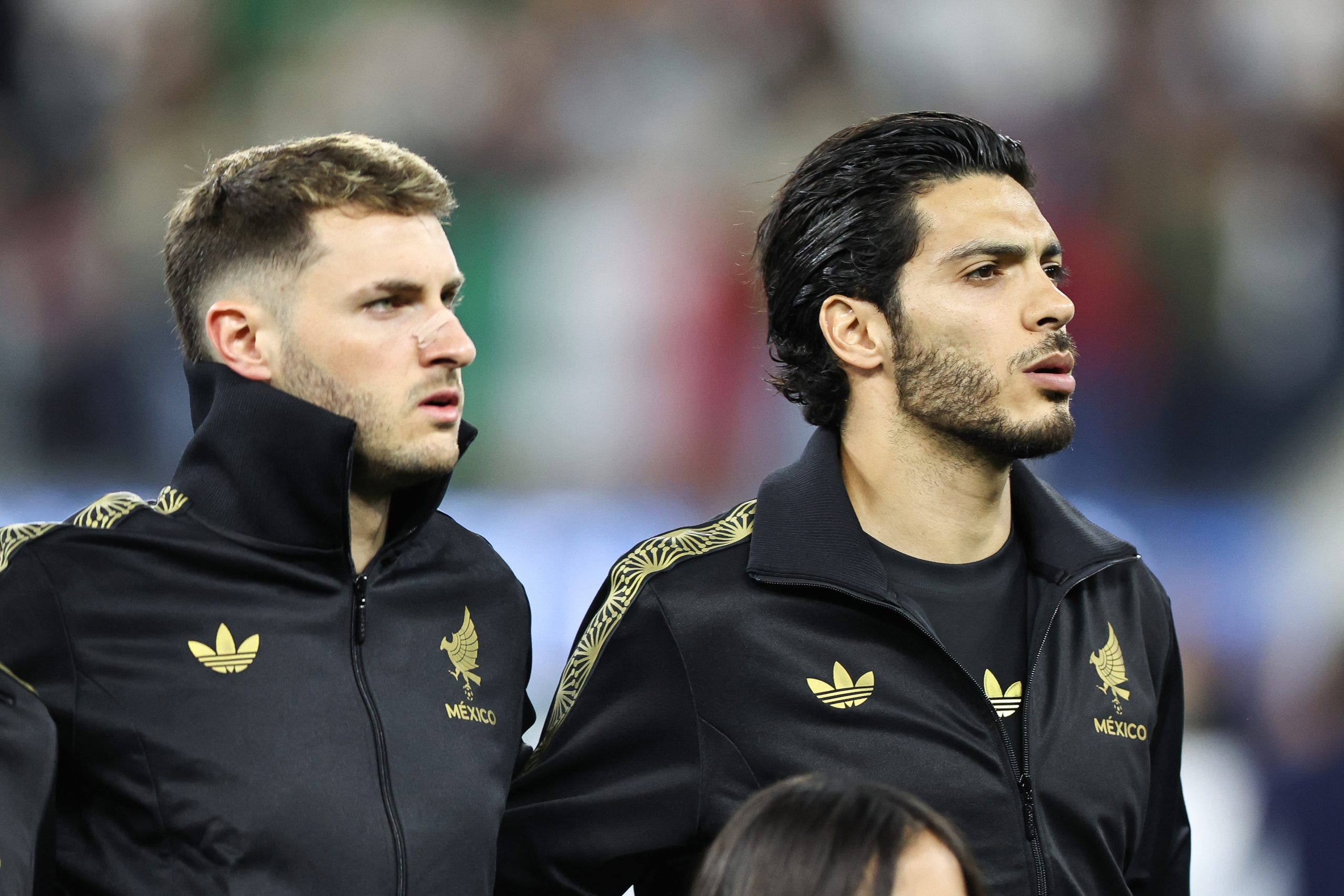
(Photo by Omar Vega/Getty Images)
There was never any doubt that the dynamic duo of Rául Jiménez and Santiago Giménez were going to be called up, but the bigger question is: can they play together? Or is this an out-and-out battle for the No. 9 role?
Aguirre has used them both before, including the successful Gold Cup run from last summer, as Jiménez often drops deeper whilst the AC Milan man infiltrates the box, feeding from his partner. But if you ask me, I think this should be an either-or situation, because México is at its best when there is a 4-3-3 philosophy with one target man feeding off supply.
In addition, Giménez has gone through an injury-ridden season with AC Milan, so his starting role is not guaranteed. There is also a great weapon on the bench with Chivas forward Armando ‘La Hormiga’ González, who is a goal-scoring machine in Liga MX. And don’t forget Quiñones, who could be most in form of them all.
Whatever the case, there is hope for Aguirre that all these weapons will compliment each other and eventually create a dynamic unit of goalscoring. Veremos.