Wind Turbine Installation Considerations for Homeowners
A 1 kW wind turbine may generate approximately 2,400 kWh annually, but actual output depends on local wind conditions and obstacles in the area.
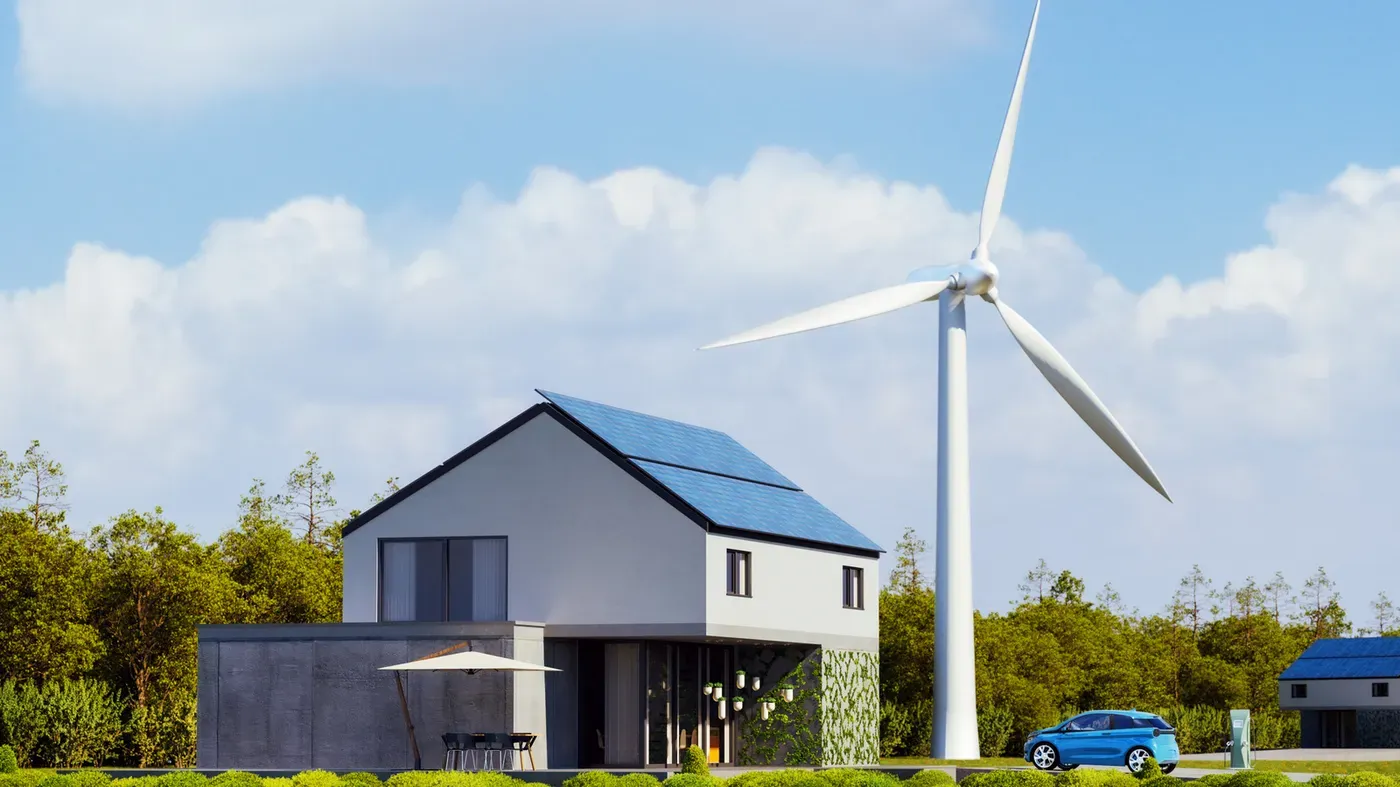
A growing trend in renewable energy has led some homeowners to consider installing wind turbines on their properties, but does this alternative source of power actually work?
In theory, a 1 kW wind turbine can produce a significant amount of electricity, but it's essential to understand that the peak power measurement is not always indicative of actual output. Instead, annual or monthly energy production in kilowatt-hours provides a more accurate picture of what to expect.
A well-placed 1 kW turbine could potentially generate around 200 kWh per month, which translates to approximately 2,400 kWh annually. This may seem like a substantial amount, but it's worth noting that this figure represents only about one-quarter of the average US household's annual energy consumption.
The feasibility of a 1 kW wind turbine depends largely on local wind conditions. If an area experiences consistent winds averaging over 14 mph per year, installing such a system might be worthwhile. However, if windy days are rare or sparse, it may not be a viable option.
While wind turbines can provide supplemental power for homes with existing energy-efficient systems, they should not be relied upon as the primary source of electricity without careful consideration of local conditions and realistic expectations.
When considering installing a 1kW wind turbine for home use, one crucial factor is the consistency of average wind speeds in the area. The presence of obstacles such as trees, neighboring homes, hills, and large sheds can significantly impede wind flow and create turbulence that reduces output.
These conditions also accelerate wear and tear on the turbine, making it a less viable option for areas with frequent disruptions to airflow. According to guidelines from the Department of Energy's small wind initiative, turbines should be installed at least 30 feet above any obstacles within a 300-foot radius.
The recommended clearance height alone poses significant challenges in suburban settings where zoning regulations typically restrict structures to around 35 feet tall. This leaves little room for installation while still meeting the necessary requirements for optimal performance.
Rooftop installations, which may initially seem like a convenient solution, can also have unwanted side effects such as transmitting vibrations and noise directly into living spaces, potentially disrupting sleep patterns.
Before investing in a wind turbine for your home, it's essential to conduct a thorough site assessment, considering local zoning laws, utility regulations, and average wind direction. This will help you determine whether a wind turbine is feasible at your location.
A 1kW wind turbine may be suitable for small homes or cabins that consume minimal electricity, but for most households, this capacity falls short of meeting their energy needs. The average US home uses around 10,500 kWh of electricity annually, which translates to about 850 kWh per month, making a residential turbine in the 5 kW to 15 kW range more suitable.
The cost of installing a wind turbine is another factor to consider. On average, it can cost between $20,000 and $50,000 for a single unit, whereas solar panels with comparable energy production capabilities are generally more affordable, ranging from $2,500 to $3,500 before factoring in incentives.
Careful consideration of these factors will help you make an informed decision about whether wind power is suitable for your home.
A grid-connected system for harnessing wind power typically requires an additional component - an inverter - which enables the turbine to supply electricity directly into the home's electrical grid. When the wind is blowing, this setup can effectively offset some utility usage.
Improving insulation and incorporating solar panels are more reliable options for most suburban residents, as they provide consistent results. However, for those living in open, rural areas with verified average wind speeds, installing a wind turbine can be a viable alternative.
Facts based on reporting originally published by Engadget.
You may republish this story, in full or in part, if you credit News Central Site and link to it (licence CC BY 4.0). Photos are not included.