US Mobilizes Military Assets in Region as Tensions Rise with Iran
The situation is escalating rapidly between the US and Iran, with both sides threatening severe consequences if hostilities break out again.
A potential new military conflict between the US and Iran is looming large, with both sides threatening each other with severe consequences if hostilities break out again. The situation is escalating rapidly, with President Donald Trump hinting at a possible "another little Epic Fury after the upcoming US midterm elections.
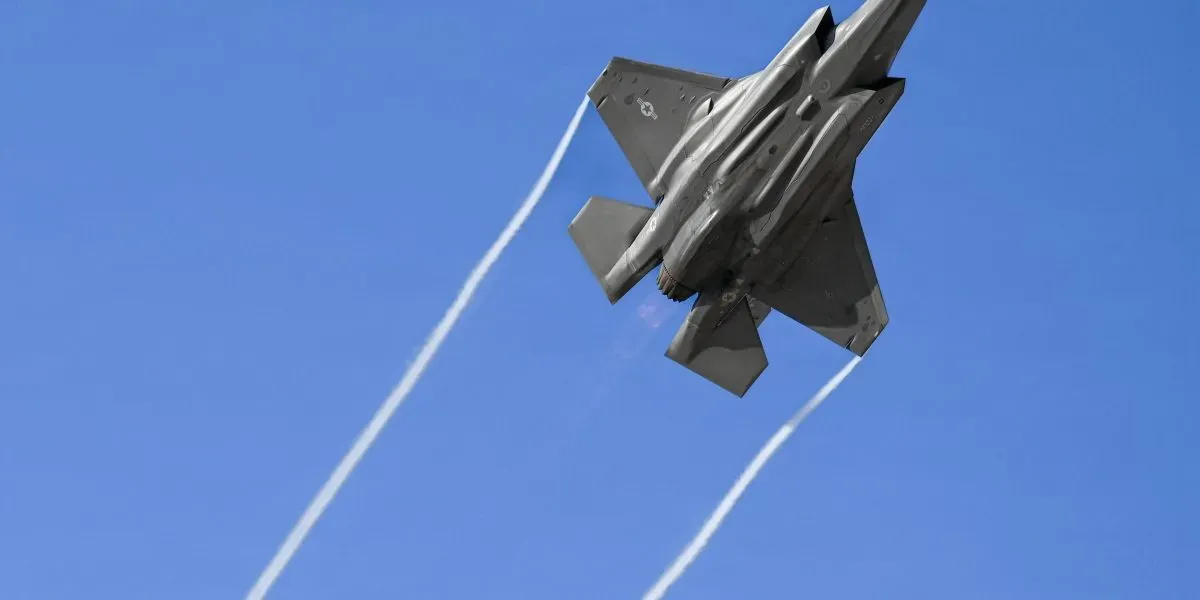
The US has already mobilized significant military assets in the region, including a third aircraft carrier and a Marine expeditionary unit. These forces have been deployed to the Middle East, reportedly on high alert for a potential short but intense conflict with Iran. The move has prompted allies in the area to prepare for a possible renewal of fighting.
Iran's Supreme Leader Ayatollah Mojtaba Khamenei has issued a stern warning that his country's response to any US attack would have no geographical limits, and could target all kinds of financial and non-financial assets. This threat includes undersea internet cables and data centers, which Iran has previously stated it would target in the event of an attack.
Iran's capabilities in cyberattacks and its willingness to target financial assets have raised concerns about the country's potential response to any US military action. The recent hacking incident at Binance, estimated to be worth $6.3 billion, has highlighted the vulnerability of cryptocurrency assets to such attacks.
The RAND think tank has pointed out that Iran's hostile activities are not limited to a specific region, but rather span the globe". This is evident in its proxy group Hezbollah's presence in Latin America and reported plots against civilians in Europe. These developments indicate that Iran is capable of launching attacks far beyond its immediate geographic location.
The hardened rhetoric from the Iranian regime has led experts to believe that the country may resort to unrestricted retaliation if the US launches a new attack. Analysts argue that this would have severe consequences, including potential damage to global oil markets and infrastructure.
Diplomatic efforts between the US and Iran are ongoing, with messages being exchanged via intermediaries. However, neither side has shown willingness to compromise on their initial demands, casting doubts over the possibility of a breakthrough in the next few days.
Iran's military strategy is undergoing a significant shift, according to recent statements from top officials. This change involves moving away from proportionate response and retaliation towards a more aggressive approach aimed at imposing costs on adversaries.
A key aspect of this new strategy is the willingness to stage preemptive strikes if preparations for hostile action are confirmed. The threat of a surprise attack has raised concerns among regional powers, who fear that Iran's arsenal of missiles and drones could inflict catastrophic damage in the Persian Gulf area.
The Iranian leadership appears determined to prevent a repetition of previous scenarios where negotiations or temporary ceasefires were followed by renewed military conflict. This suggests that Tehran is committed to making any future attack so costly and unpredictable that Washington would have to reconsider its options altogether.
Iran's arsenal remains a significant concern, with thousands of missiles and drones at the country's disposal. These capabilities could inflict devastating damage on neighboring countries in the Persian Gulf area, underscoring the potential for generational damage to regional economies.
The threat of another US attack on Iran has sparked warnings from experts about the devastating consequences it could have on regional economies.
Stockpiles of US interceptors have been depleted to critically low levels, leaving the country vulnerable to potential Iranian missile attacks. Meanwhile, newer Iranian missiles have demonstrated their ability to evade air-defense systems, further increasing concerns about the effectiveness of US defenses. This has heightened fears that a new conflict could inflict significant damage on neighboring countries.
The region's energy infrastructure is particularly at risk, having already suffered substantial damage in previous fighting. According to Amir Handjani, a board member at the Quincy Institute for Responsible Statecraft, another round of violence would leave lasting scars on regional economies. A negotiated end to the war would be essential to give the region time to rebuild and recover from the devastation caused by eight months of fighting on two fronts.
Facts based on reporting originally published by Fortune.
You may republish this story, in full or in part, if you credit News Central Site and link to it (licence CC BY 4.0). Photos are not included.