United Airlines Bans AI Agents from Platforms Citing Privacy and Security Concerns
Several major companies across various industries have begun restricting or banning AI agents from making purchases directly on their sites due to concerns over privacy and security.
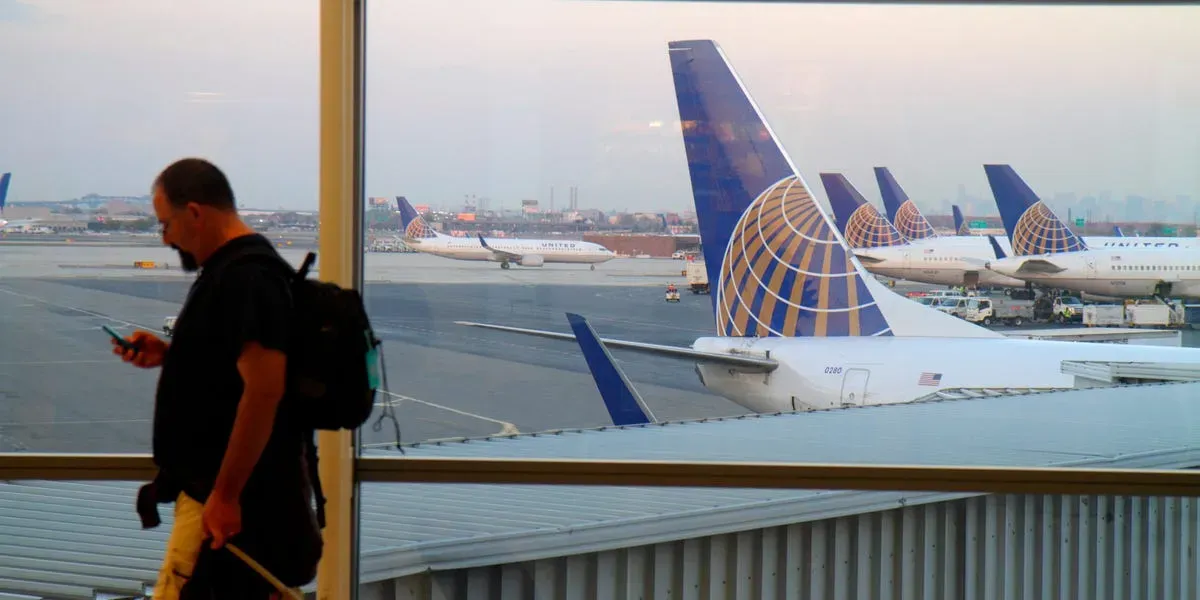
United Airlines has joined the growing list of companies banning AI agents from their platforms, citing concerns over privacy and security.
The airline is not alone in its decision, as several major companies across various industries have begun to restrict or ban AI agents from making purchases directly on their sites or browsing their websites for users. Amazon, eBay, and Target are among the prominent retailers that have implemented such restrictions.
Companies are also taking a closer look at the potential impact of AI agents on site traffic, with some speculating that if humans no longer visit websites directly to browse or make purchases, it could lead to significant losses in traffic.
The rise of personal assistant tools like Meta's Muse and Instinct has contributed to the growing popularity of AI agents, which have also gained agentic capabilities through popular chatbots such as ChatGPT and Claude.
As concerns about AI-powered shopping assistants continue to grow, several major companies have taken steps to restrict their use on their platforms.
eBay has introduced measures to prevent users suspected of utilizing AI assistants from accessing its platform. The company's terms explicitly state that automated assistants are not permitted to make bookings or reservations without explicit permission from the user.
Similarly, Resy, a leading restaurant booking platform, has implemented restrictions on which AI agents can access its services. While it does allow some AI-powered tools to book tables and make reservations, these must be pre-approved by the user.
This trend of companies restricting AI shopping assistants raises questions about the potential impact on consumer behavior and e-commerce platforms as a whole.
Target has introduced stricter controls for AI shopping agents accessing its platform, limiting their ability to browse and make purchases without explicit authorization.
The company's terms of service explicitly prohibit unauthorized access or data gathering by AI agents, reserving the right to terminate user accounts that breach these rules.
Approved AI agents are permitted to sign in to customer accounts, build carts, place orders, and initiate returns with customers' consent, but Target can modify its list of approved agents or restrict their access at any time without notice.
United Airlines has also announced a ban on third-party AI shopping agents due to concerns over security and regulatory compliance, citing the risk of unintended purchases that could violate federal regulations.
United Airlines has introduced a new policy prohibiting unauthorized AI agents from interacting with its platforms. This means that such agents are not allowed to search for flights, book tickets, or manage travel arrangements on United's websites or mobile apps.
Yelp is another company taking steps to limit the influence of AI shopping agents. The review site does not permit non-human traffic on its platform without explicit permission from the company. While Yelp offers a paid data-licensing program that allows approved integrations with services like ChatGPT, this access is limited and requires specific approval.
This growing trend suggests that companies are becoming increasingly cautious about the role of AI agents in their online operations. By restricting or banning unauthorized AI interactions, businesses are seeking to maintain control over their platforms and avoid potential security risks or regulatory issues associated with unapproved AI activity.
Facts based on reporting originally published by Business Insider.
You may republish this story, in full or in part, if you credit News Central Site and link to it (licence CC BY 4.0). Photos are not included.