The Diary of a CEO Becomes One of the World's Largest Podcasts
A British entrepreneur's podcast has experienced a remarkable rise from humble beginnings to becoming one of the world's largest podcasts.
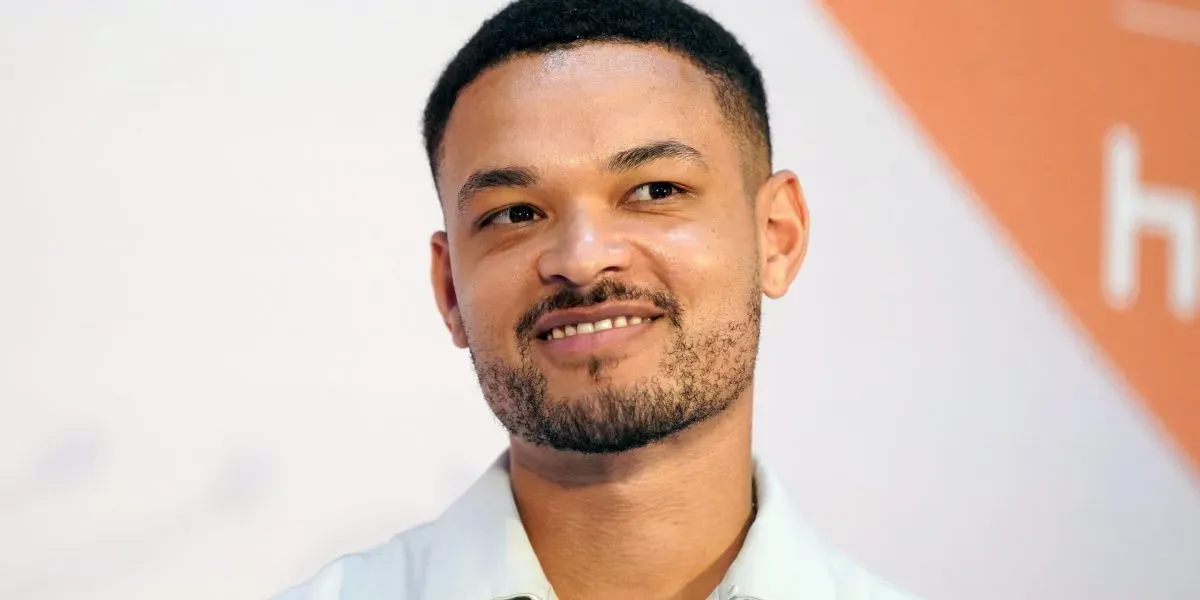
A British entrepreneur's podcast has experienced a remarkable rise from humble beginnings to becoming one of the world's largest podcasts. Steven Bartlett started "The Diary of a CEO with minimal equipment - a laptop and a makeshift microphone created by covering a $100 device with a sock.
Initially, the show consisted solely of Bartlett reading from his diary at 2 a.m., trying to make sense of his thoughts and experiences from the previous week. As the podcast gained momentum, it evolved into an interview-style format where Bartlett spoke with other individuals about their own entrepreneurial journeys.
The show's growth has led to significant financial prospects for Bartlett, who forecasts annual revenue of $60 million this year. This meteoric rise has not come without its challenges, however, as Bartlett was recently offered a deal that would have required him to accept more advertising and potentially remove the podcast from YouTube.
The relationship between podcast creators and companies seeking exclusive distribution deals can be a delicate one. Bartlett argues that these fragmentation vultures" often require sacrifices in terms of revenue or control over the audience, which he believes is worth protecting.
Bartlett's entrepreneurial spirit was evident from an early age, as he dropped out of college to pursue his business ventures. He launched The Diary of a CEO in 2017 by sharing his own diary entries with listeners, but soon shifted focus to interviewing other people about their lives and experiences.
These conversations covered a wide range of topics, including neuroscience, psychology, performance, and sports. By exploring the motivations, insecurities, and ambitions of his guests, Bartlett was able to create a diverse and engaging podcast that resonated with listeners.
The success of The Diary of a CEO has led to a significant expansion of the business, with revenue coming from brand partnerships, product sales, subscriptions, memberships, and events. Additionally, Bartlett runs an investment fund as part of his entrepreneurial endeavors.
As part of his entrepreneurial endeavors, Steven Bartlett's holding company, Steven.com, has expanded to include a diverse range of creator businesses beyond The Diary of a CEO podcast. This includes other creators who are building media brands and developing products and ventures.
Bartlett forecasts significant revenue growth for his broader media company this year, with projected earnings of $90 million. A substantial portion of this revenue is expected to come from The Diary of a CEO, which is on track to generate $60 million in annual revenue.
The success of Bartlett's podcasting business has contributed to the growing trend of creators achieving nine-figure valuations. Notably, Call Her Daddy host Alex Cooper's holding company Unwell raised investment at a valuation of $500 million in August.
Bartlett attributes this shift towards more collaborative and equitable partnerships between creators and brands to a broader evolution in how companies work with influencers. He notes that early in his career, the focus was on simply paying influencers to promote products, but now there is a greater emphasis on creative direction and equity arrangements.
The evolution of creator businesses is leading to a new era of consolidation and diversification, where they are making strategic acquisitions and operating like large holding companies.
This shift has transformed the role of influencers and creators, who are no longer just promoting products or sharing their expertise but are now taking on ownership and leadership roles within these businesses.
Bartlett's approach to partnerships is selective, with a focus on building relationships with companies that align with his personal values. He prefers to work with a smaller number of partners, around 70% of whom he has personally approached as founders.
The podcast's content is also subject to rigorous fact-checking and review processes to ensure the accuracy and trustworthiness of the information shared with listeners.
When it comes to addressing scientific claims on the show, Bartlett notes that context and framing are crucial in determining how to handle unsupported statements, which may be removed from the audio if presented as definitive but left intact if framed as a hypothesis based on early research.
Bartlett's approach to interviewing is centered on his own curiosity, rather than trying to cover every angle or satisfy viewers' expectations.
He believes that when he asks questions, they should stem from genuine interest in understanding a person's perspective, whether it's Kamala Harris or JD Vance. This focus on curiosity allows him to delve deeper into topics and explore them from unique angles.
As his business continues to grow, Bartlett emphasizes the importance of prioritizing sovereignty for creators, rather than relying on fleeting deals or opportunities. He advises others to think beyond short-term gains and instead aim for long-term sustainability.
Facts based on reporting originally published by Fortune.
You may republish this story, in full or in part, if you credit News Central Site and link to it (licence CC BY 4.0). Photos are not included.