Taliban Restrictions Limit Female Access to Medical Care in Afghanistan
A recent report by the United Nations details the struggles faced by women in Taliban-ruled territories who are being denied medical care due to stringent rules and reduced international aid funding.

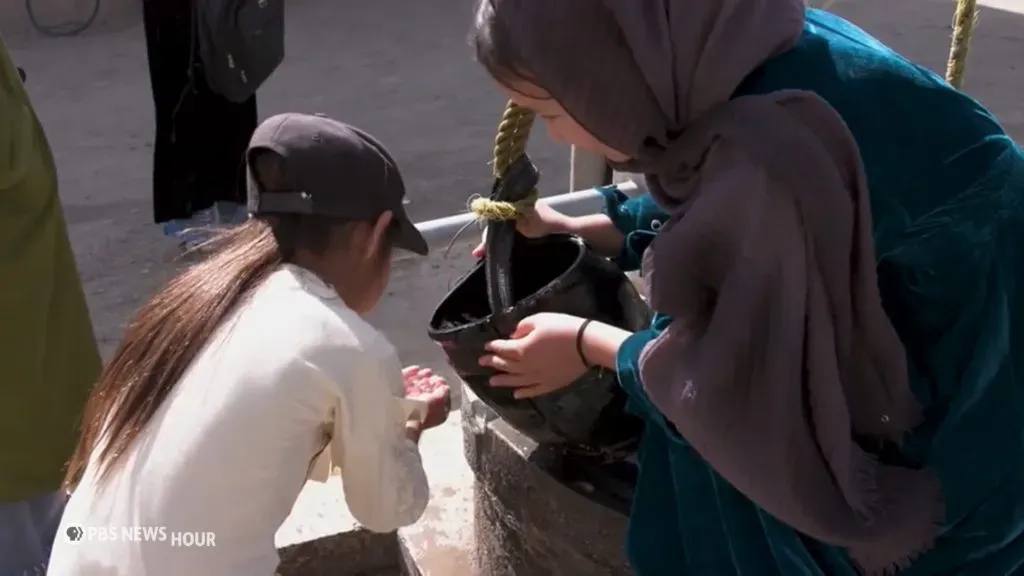
In Afghanistan's Taliban-ruled territories, a new reality has emerged where male doctors are barred from treating women. The drastic measure has been documented in a recent report by the United Nations, which paints a grim picture of the struggles faced by women.
A harrowing case from Kunar province illustrates the dire consequences: a woman suffered multiple miscarriages due to her inability to access medical care. This is not an isolated incident; it highlights the alarming trend of pregnant women who desperately need medical attention but are being denied treatment because of the Taliban's restrictions.
The escalating crisis is fueled by two main factors: the Taliban's stringent rules and the significant reduction in international aid funding for healthcare services. As a result, women in Afghanistan are increasingly losing access to essential medical care.
Tamana Zaryab Paryani, a 28-year-old Afghan women's rights activist, has spoken out against the regime. Her words carry weight due to her unwavering commitment to fighting for women's rights and her experience as a vocal critic of the Taliban.
The Taliban's restrictive policies have had a devastating impact on Afghan women, limiting their access to education, employment, and healthcare.
Paryani's message to the international community is clear: she expects them to recognize the systematic disenfranchisement of women in Afghanistan as gender apartheid and take action to support them. Her words carry significant weight due to her unwavering commitment to fighting for women's rights and her experience as a vocal critic of the Taliban.
The UN Assistance Mission in Afghanistan has been monitoring the human rights situation in the country, documenting the severe restrictions imposed on women by the Taliban. In September 2025, they reported that inspectors from the Ministry for the Promotion of Virtue and Prevention of Vice were further limiting women's access to healthcare through regulations and decrees.
The consequences of these restrictions are dire: around 2.6 million girls are excluded from secondary education, which can lead to increased child marriage and maternal mortality rates. The UN Women organization has sounded the alarm on this issue, warning that it will have far-reaching effects on Afghan women's lives.
The Taliban's decrees have been relentless since their return to power in 2021, severely restricting women's opportunities for work outside the home and denying them access to universities. Girls are barred from secondary education, forcing many to resort to secret studies to continue their education.
Afghanistan's population is predominantly young, with approximately 42% below the age of 15. This demographic profile contributes to the country's pressing health challenges, particularly in addressing the nutritional needs of its children and pregnant women.
The systematic oppression of Afghan women has been described by Haroon Mutasem, a professor of International Criminal Law at the American University of Afghanistan, as an institutionalized system of domination. According to Mutasem, this system denies women equal rights and opportunities, relegating them to secondary status in society.
Mutasem explains that women are often viewed as being responsible for domestic duties, including childcare and meeting the sexual needs of their husbands. This narrow definition of a woman's role is deeply ingrained in Afghan culture and perpetuated by the country's patriarchal laws and institutions.
The UN estimates that by 2027, more than 4 million children under five will require treatment for acute malnutrition. Additionally, around 1.27 million pregnant and breastfeeding women will also need care due to their vulnerability to malnutrition.
Mutasem warns that if the international community fails to address the systematic oppression of Afghan women, it could undermine the universal validity of human rights. He cautions that other authoritarian regimes and extremist movements may adopt similar practices, further eroding the protections afforded by international law.
Afghanistan is currently facing its worst women's rights crisis, according to Susan Ferguson, the UN's Special Representative in Afghanistan. The situation has reached a critical point where Afghan women are fighting for their very survival, as stated by Ferguson.
Humanitarian organisations are being forced to make impossible decisions about which women and girls can receive support due to cuts in aid funding. This means that many women are being turned away from receiving the help they desperately need, exacerbating an already dire situation.
Facts based on reporting originally published by DW English.
You may republish this story, in full or in part, if you credit News Central Site and link to it (licence CC BY 4.0). Photos are not included.