Tabbara Family's Falafel Shop in Beirut Continues After Over a Century
The Tabbara family's falafel shop in Beirut has been a staple of the city for over a century, serving up popular street food to residents and visitors alike.
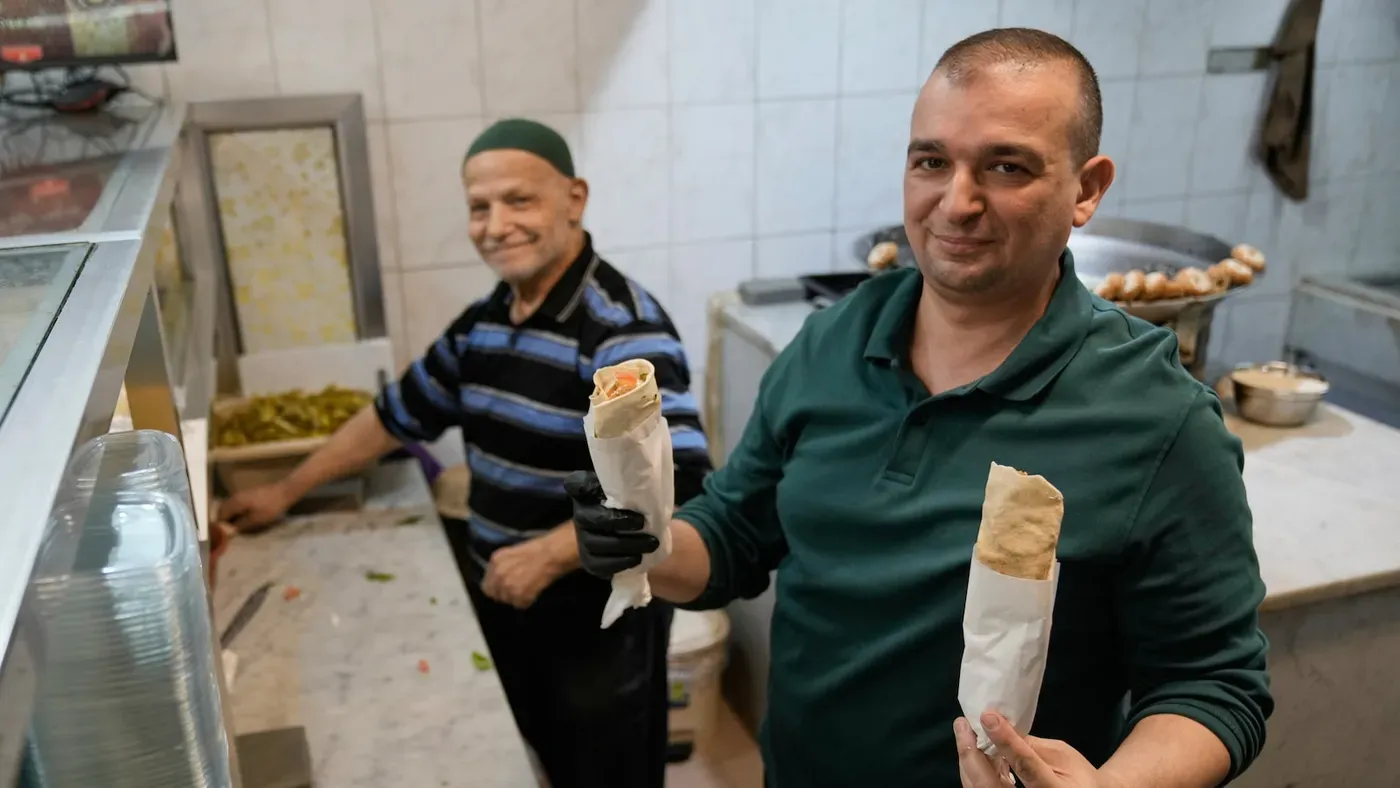
The Tabbara family's falafel shop in Beirut has been a staple of the city for over a century, serving up the popular street food to residents and visitors alike.
Their business has seen its fair share of challenges, including two world wars and numerous local conflicts that have shaped the small Mediterranean nation. Yet, through it all, the Tabbaras have persevered, continuing to serve their signature sandwiches made from deep-fried ground fava beans wrapped in flat Lebanese bread with a variety of toppings.
At their modest shop, customers can purchase $3 sandwiches filled with pickled cucumber, tomatoes, parsley, tahini sauce, and homemade dark red-hot pepper paste for an added kick. For 82-year-old Mohammed Tabbara, it's not just about serving food, he has built a loyal client base that spans the globe.
“I have clients spread all over the world,” Mohammed said as a European customer waited for their order in the busy Hamra district, which is packed with cafes and clothing shops.
The family's long history in the falafel business is a source of pride for Ziad Tabbara, who helped his father out at the shop during his summer vacations as a child.
Ziad's great-grandfather Kamel Tabbara opened the first Tabbara falafel shop in 1914, when Beirut was still part of the Ottoman Empire. Six years later, Lebanon gained independence from the empire after World War I, but it would take many more decades for the family business to reach its current status.
Mohammed Tabbara has been at the helm of the business since around 1950, although his great-grandfather Kamel initially passed the shop down to his son Ahmad. The family moved their operation from central Beirut to a new location in 1979, which is still home to the bustling falafel shop today.
The family's experience has been marked by conflict and crisis, with Mohammed recalling that he has "been through 40 wars in his lifetime - including multiple civil wars, as well as invasions and conflicts involving Israel, Hezbollah, Palestinian groups, and the Syrian army.
The family's long-standing business has become a staple of Beirut's culinary scene, with a reputation for serving some of the city's best falafel.
A snapshot of the shop reveals its enduring appeal, with Mohammed Tabbara still actively involved in the day-to-day operations. He takes great pride in his work, often greeting regular customers by name as they place their orders.
The economic struggles facing Lebanon have made affordable meals like falafel increasingly essential for many residents. Small shops like Tabbara's provide a vital service, offering a filling and inexpensive option for those struggling to make ends meet.
Jean Matta, a local resident who has been eating at the shop since 1992, praises the business for its commitment to cleanliness. It's crunchy, tasty and clean," he says of the falafel, highlighting the shop's dedication to quality.
The family's commitment to quality is evident in their carefully selected ingredients, including Australian fava beans that are soaked overnight before being ground into a fine paste. This process allows for a lighter texture compared to chickpeas, which can be overwhelming and take longer to digest.
Their unique recipe also involves mixing the bean mixture with salt and an assortment of spices, including coriander, to create a distinct flavor profile. Furthermore, their innovation in falafel preparation includes topping patties with sesame seeds and creating a patty design that allows for even cooking. The result is a crispy exterior giving way to a tender interior.
As the family continues to serve their signature dish, they remain dedicated to offering customers a 100% healthy option, as evident from Mohammed's statement when wrapping sandwiches. With no plans to stop operations anytime soon, the family's legacy of serving high-quality falafel will undoubtedly endure for generations to come.
Facts based on reporting originally published by ABC News International.
You may republish this story, in full or in part, if you credit News Central Site and link to it (licence CC BY 4.0). Photos are not included.