Software Updates Crucial for Car Safety and Performance
A malfunctioning backup camera or faulty braking system can be particularly hazardous due to the reliance on software in modern cars.
Modern cars are increasingly sophisticated, equipped with numerous electronic control units that manage everything from infotainment systems to driver-assistance features. This reliance on software means that bugs and glitches can have serious consequences for safety. A malfunctioning backup camera or faulty braking system can be particularly hazardous.
The pop-up reminders that appear when a car's software needs updating are not something to be ignored. These updates often address critical issues, including security vulnerabilities that could allow hackers to access the vehicle's systems. By hitting "remind me later, drivers may inadvertently leave their cars more exposed to potential threats.
A software update is essentially a new version of the code running on a car's computers, which can bring about significant changes beyond just aesthetic tweaks to the infotainment screen. Updates might resolve issues like false warnings or trouble connecting to phones, as well as patch security holes that could be exploited by malicious actors.
These updates can also have practical implications for the vehicle's performance. They may adjust engine or battery management settings, and in some cases even add new features. The example of Tesla's braking problems with its original Model 3 is a notable illustration of this point.
For instance, after Consumer Reports identified issues with the Model 3's braking distances in 2018, Tesla released an update that addressed the problem by shortening the vehicle's stopping times. This highlights the importance of keeping car software up to date, as it can have tangible effects on both safety and performance.
Car manufacturers are increasingly relying on software updates to fix safety defects and recalls, rather than traditional repair methods. This shift is driven by the need for speed and efficiency in addressing issues that can pose a risk to drivers and passengers.
Automakers like Ford, GM, Mercedes-Benz, Porsche, and others have adopted this approach, which allows them to remotely send updates directly to owners' vehicles. For example, Tesla's recall of over 2 million cars related to Autopilot safety controls was resolved with a free wireless update sent to affected owners.
By skipping software updates, drivers may inadvertently retain the bugs they were meant to fix and miss out on critical security patches. Experts warn that the risks associated with not updating are more significant than any potential issues that might arise from updating regularly.
Car hacking is another concern, as seen in 2015 when hackers remotely took control of Chrysler vehicles and forced them to shut down. The incident led to a recall of 1.4 million cars, with the security patch delivered via a USB stick.
Automakers are increasingly relying on software updates to maintain their vehicles' performance and security. However, failing to install these updates in a timely manner can have serious consequences for car owners, including voiding their warranties.
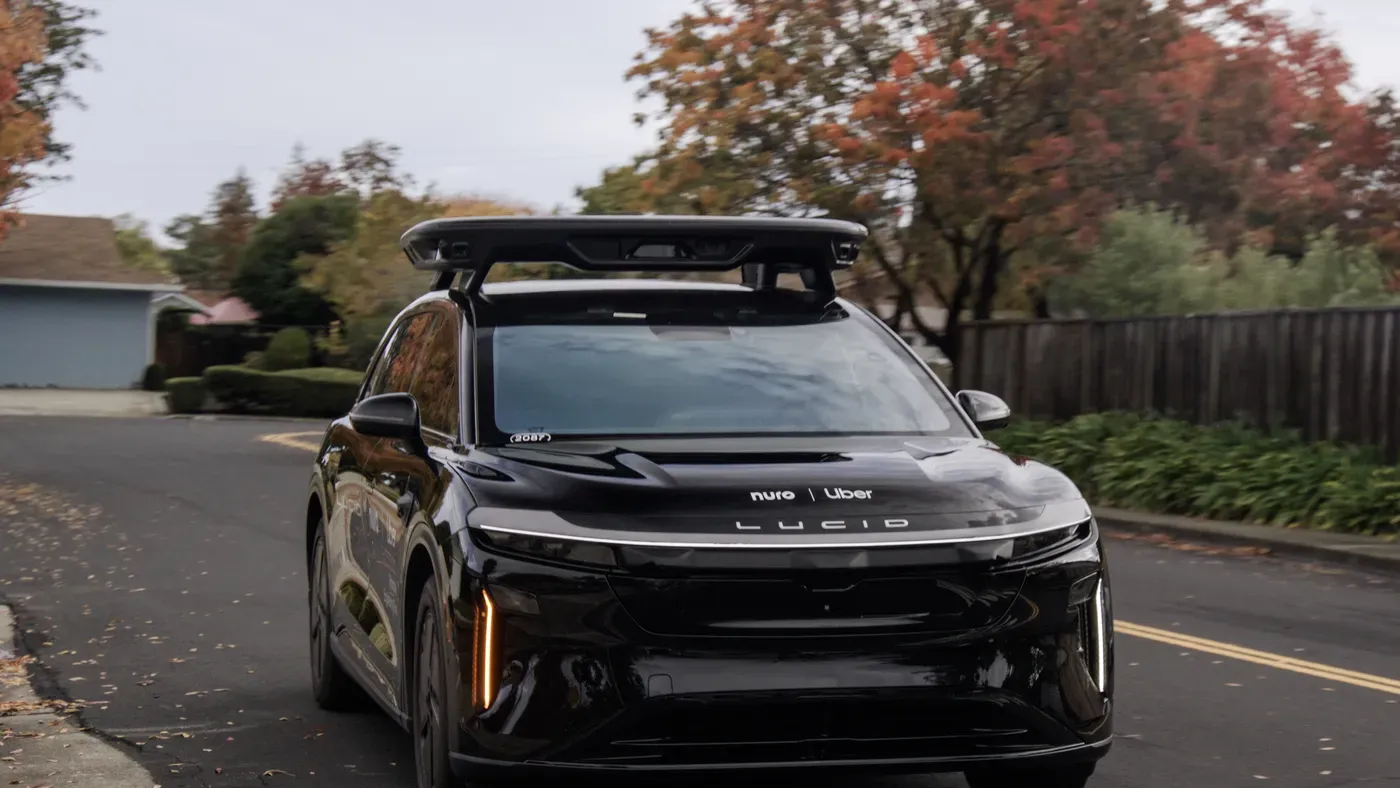
For instance, General Motors explicitly states that if owners fail to install over-the-air updates within 45 days of their release, any resulting damage will not be covered under warranty. Similarly, Tesla and Lucid have similar exclusions in place, leaving owners with potentially costly repairs on their hands. It's essential for car owners to review the fine print in their warranty booklets to understand what's expected of them.
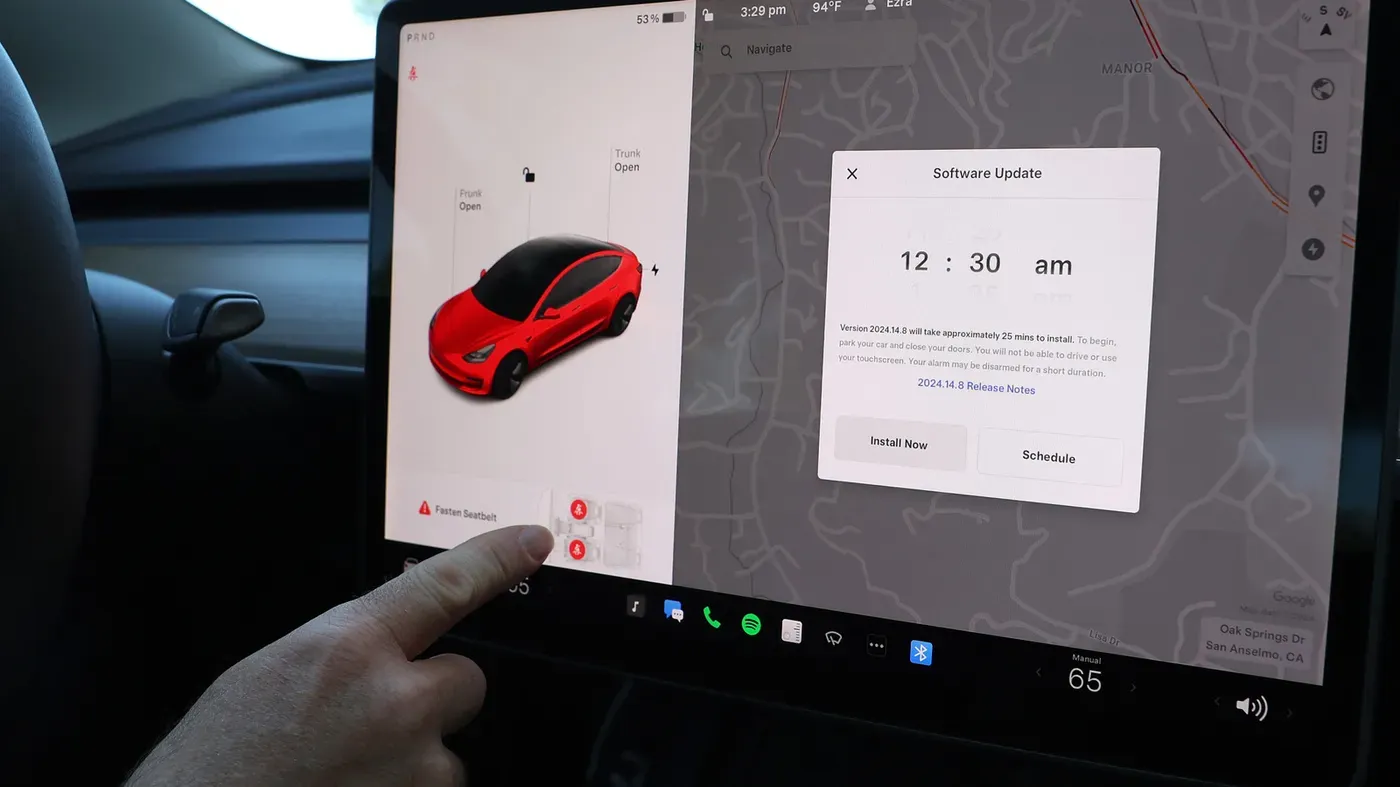
The process of updating a vehicle's software is often straightforward, with many updates arriving over-the-air via the car's built-in cellular connection or a password-protected Wi-Fi network. Typically, these updates will prompt on the infotainment screen, and owners can find an update option in their settings menu if they've been putting it off.
However, some automakers require a telematics subscription for over-the-air access, which may leave owners without this service, such as those driving certain Hyundai and Kia models, needing to visit a dealership. In some cases, this visit may incur a fee, adding to the overall expense of updating their vehicle's software.
Before embarking on an update, it's crucial to read the release notes to understand what changes are being made. Vague language like general improvements" is common, and owners should contact the manufacturer if they require more specific information about the update's contents.
Ultimately, car owners must take responsibility for keeping their vehicles' software up-to-date to avoid potential warranty issues and ensure their safety on the road, a process that requires patience, attention to detail, and perhaps an occasional visit to the dealership.
Facts based on reporting originally published by Engadget.
You may republish this story, in full or in part, if you credit News Central Site and link to it (licence CC BY 4.0). Photos are not included.