RNC Leadership Faces Shake-Up After Midterm Losses
The Republican National Committee is bracing for a leadership shake-up after its midterm losses, which have left party leaders scrambling to assign blame.
The Republican National Committee is bracing for a leadership shake-up after its midterm losses, which have left party leaders scrambling to assign blame.
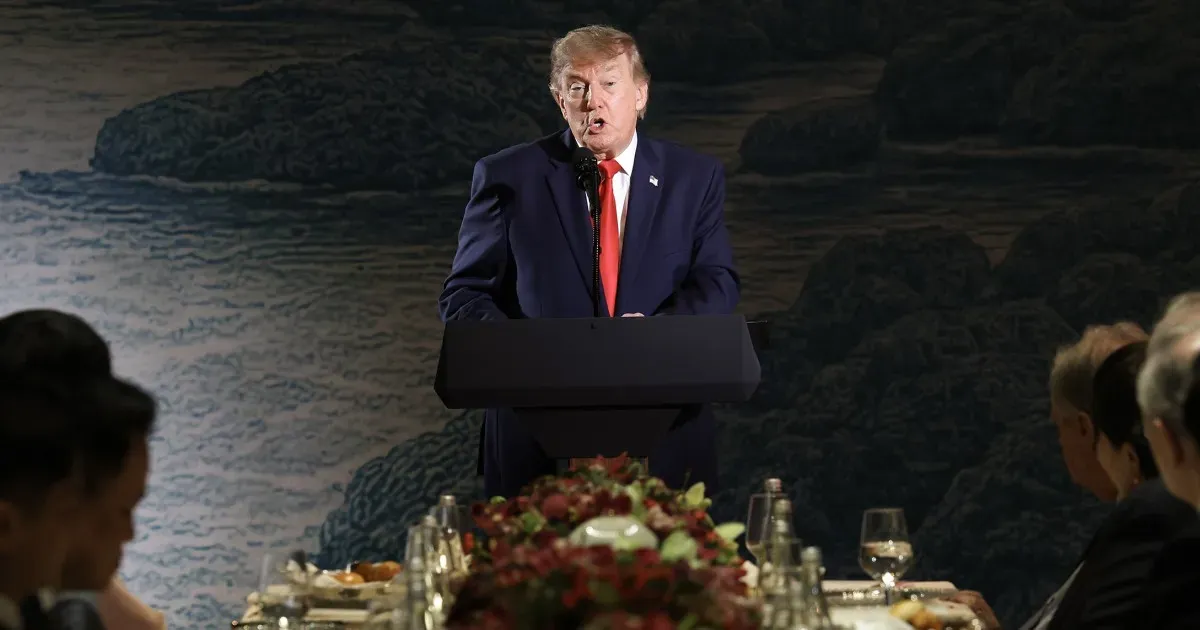
With President Donald Trump's support, Joe Gruters was expected to easily retain his position as RNC chair, but now he faces a surprise challenge from co-chair KC Crosbie ahead of the January election.
Party insiders point out that deep divisions have emerged over who is responsible for the midterms debacle and what steps should be taken next.
Some party leaders are reluctant to publicly criticize Trump's agenda or endorse him as a scapegoat, instead directing their frustration toward Gruters.
Some Republicans have grown accustomed to Trump's continued influence over the next two years, but a small faction within the RNC is already exploring ways to bring about change. They are pushing for an analysis of the midterms and advocating for a delay in the congressional leadership elections.
The RNC has managed to raise significant funds this cycle, with some members crediting Gruters for his role in securing millions of dollars. His ability to handle this aspect of his job is seen as crucial by those who appreciate his efforts.
However, others within the party are frustrated that the RNC did not invest more time and resources in their states earlier on. They feel this oversight has consequences for the party's overall performance.
The criticism leveled against Gruters extends beyond fundraising to include concerns about the RNC's involvement with the White House's political operation. Some members believe he should have maintained a stronger sense of independence from Trump's inner circle.
The outcome of the RNC leadership election will be determined by a secret ballot, putting to the test how far members are willing to go in charting a new course for the party.
The stakes are extremely high, as the RNC plays a crucial role in presidential elections, including organizing GOP primary debates and hosting the 2028 convention. The party's support is also essential for the eventual nominee, making this leadership election a vital decision point.
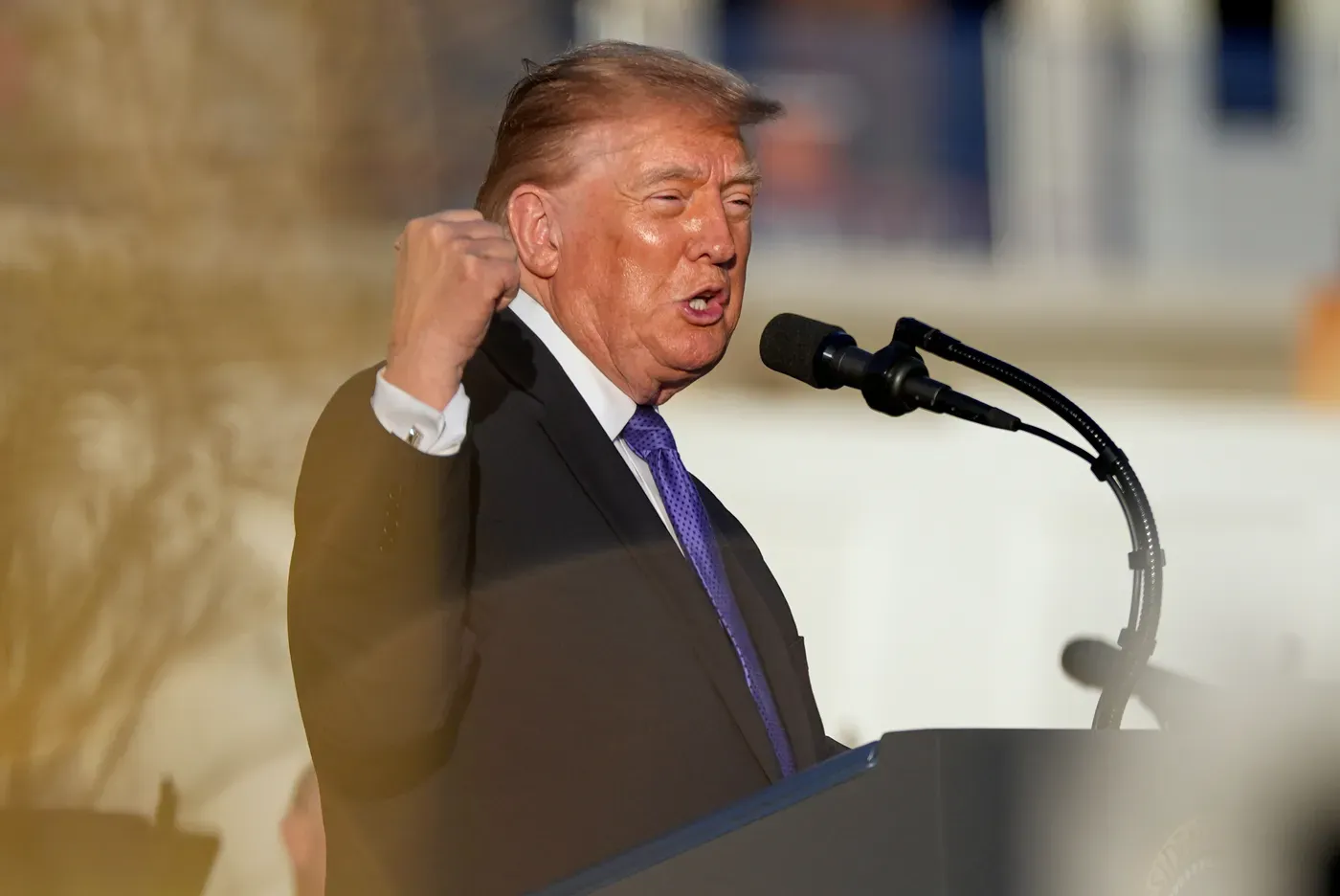
Trump's involvement complicates matters further, with him openly backing Gruters while privately warning that if Crosbie wins, he may withhold RNC fundraising assistance ahead of 2028. This implicit threat underscores the reality that Trump views the outcome as more than just an internal party matter.
In a gesture of support, Vice President JD Vance has offered to aid Gruters' re-election campaign, although it's unclear whether Gruters will accept this offer from his potential future rival.
RNC members are voicing concerns about potential divisions within the party as the leadership election approaches.
A second RNC member who is undecided about the leadership election noted that some party members are worried about appearing disloyal to President Trump if they don't vote for his preferred candidate.
This concern stems from a perception that supporting someone other than Trump's choice could be seen as undermining the president, potentially leading to further negative publicity and damaging the party's image.
In contrast, others within the RNC prioritize protecting the party brand and its reputation over loyalty to individual leaders.
These sensitive dynamics are being closely monitored by both Gruters' and Crosbie's camps as they try to gauge where the membership stands in the leadership race.
The dynamics of the RNC leadership race are being closely watched as both camps try to gauge their support among party members.
Illinois GOP chair Bob Grogan has publicly expressed his intention to back Gruters, citing a business analogy that suggests Trump's endorsement is not enough reason to dismiss him from his role. You don't fire your best salesman because he's had a bad quarter, Grogan said in an interview.
Crosbie has taken a different approach, sending out detailed surveys to RNC members seeking their opinions on various issues. The 10-12 page questionnaires cover topics such as resource deployment and staffing, according to sources familiar with the survey's content.
In conversations with undecided party members, Crosbie has emphasized her commitment to greater transparency in party finances, one source said. This promise is aimed at addressing concerns from some RNC members who feel that the party has become too closely tied to Trump's operation.
A Washington GOP chair, Jim Walsh, acknowledged the benefits of close coordination between the RNC and Trump's team, but stopped short of revealing his own support for either candidate in January.
The Republican National Committee's (RNC) role in future election cycles is facing scrutiny after disappointing midterm results.
Several state party chairs have expressed concerns about the committee's approach to winning elections, emphasizing the need for a broader appeal to voters beyond traditional battleground states and highly targeted areas.
Regardless of who leads the RNC, said Ben Proto, Connecticut's GOP chair, the way the committee operates needs to change.
Facts based on reporting originally published by Politico.
You may republish this story, in full or in part, if you credit News Central Site and link to it (licence CC BY 4.0). Photos are not included.