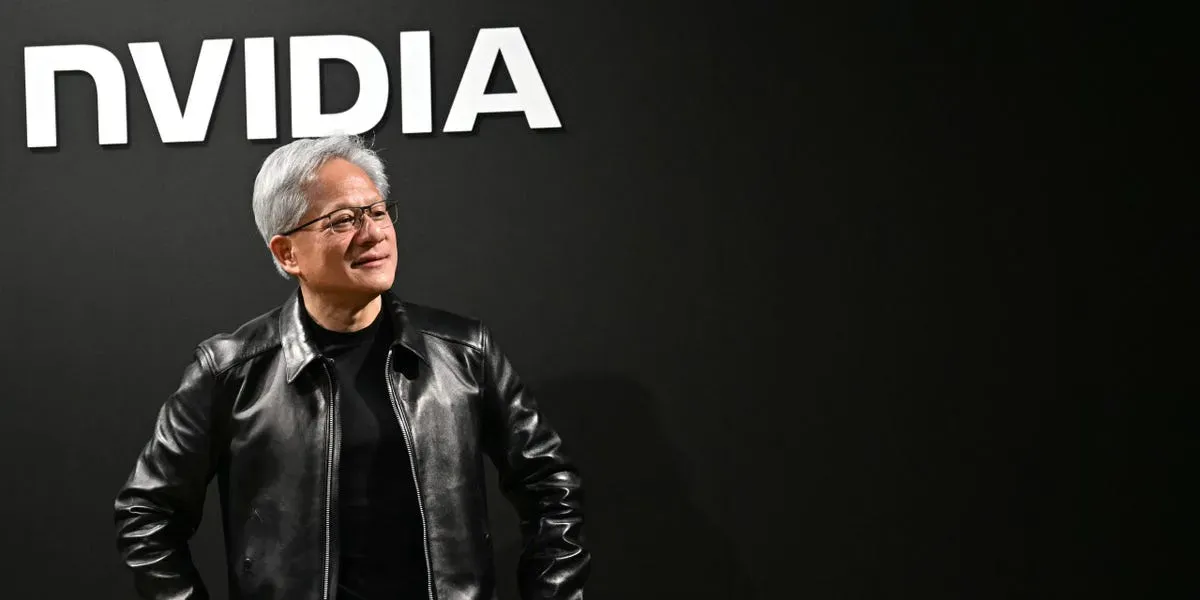
Nvidia's Founder Faces Scrutiny Over Alleged Conflicts of Interest
The New York Times reported that U.S. intelligence believed Alice Huang was a Chinese asset, raising questions about Nvidia's governance and oversight.
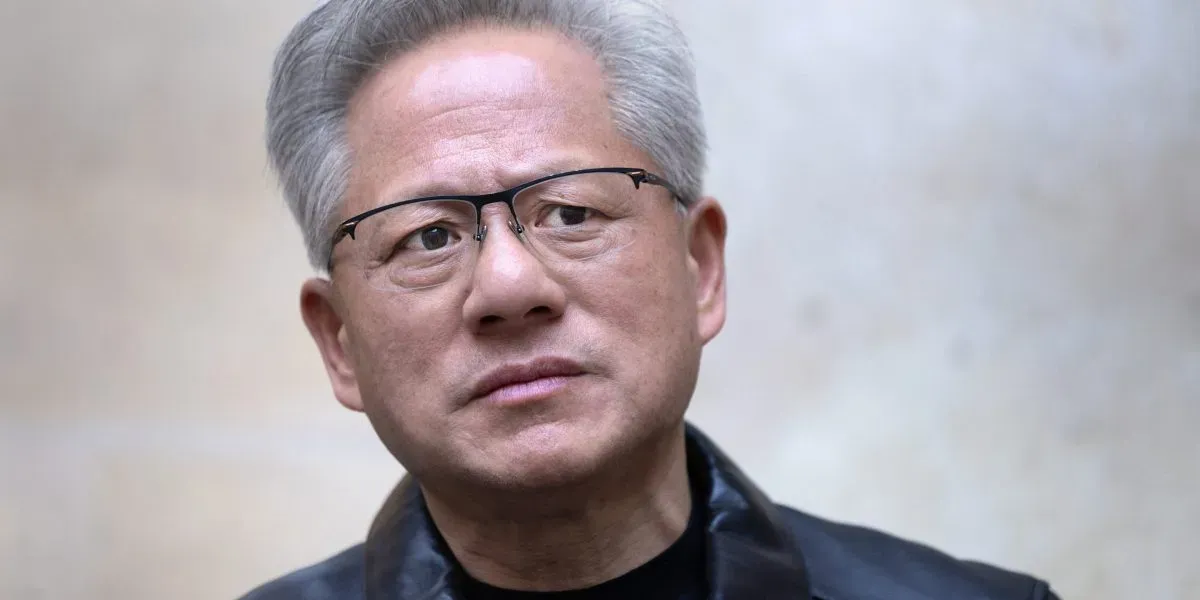
Nvidia's founder and CEO Jensen Huang is widely regarded as a visionary leader who has revolutionized the tech industry with his groundbreaking innovations. His influence extends far beyond the company he founded, with many CEOs around the world admiring his entrepreneurial spirit and bold vision for the future.
However, recent events have raised concerns about Huang's leadership and potential conflicts of interest. Amidst calls for his resignation from some top GOP voices, including Sen. Kevin Cramer of the Senate Banking Committee, questions are being asked about how Nvidia's board allowed these issues to go unchecked.
In October 2025, a report by the New York Times revealed that Megaspeed, a Singapore-based company, had purchased billions of dollars' worth of Nvidia chips amid suspicions that it was helping China evade U.S. restrictions on chip exports. Nvidia initially claimed that an internal review found no evidence of its chips being diverted to China.
However, this assertion was later challenged by Culper Research, a short seller, which alleged "uncomfortably close ties" between Alice Huang, the head of Megaspeed, and Jensen Huang in May 2026. Despite these allegations, Nvidia's board seemed content to leave the matter unresolved.
The situation took a further turn last month when the New York Times reported that U.S. intelligence believed Alice Huang was a Chinese asset. A company spokesperson attempted to downplay the claims, stating that the diversion allegations had been debunked and describing the relationship as normal.
This response has sparked widespread criticism, with many questioning why Nvidia's board failed to investigate these allegations more thoroughly. The situation is further complicated by Jensen Huang's admission last month that he had been unfaithful to his wife in a message referencing national security concerns in the press.
The sequence of events raises serious questions about the governance and oversight at Nvidia. It also highlights the need for greater transparency and accountability within companies, particularly those with significant influence over global technology markets.
As the situation continues to unfold, it remains to be seen how Nvidia's board will respond to these allegations and whether any further action will be taken against Jensen Huang or other company officials.
The Caremark doctrine, established in 1996 in Delaware Chancery Court, sets a high standard for corporate directors to monitor risks central to their business and take action when they become aware of potential issues.
Under this doctrine, several boards have faced trouble in Delaware Chancery Court for failing to oversee key areas of their operations. For instance, the directors of Blue Bell Creameries were sued over their lack of oversight on food safety before a deadly listeria outbreak in 2019.
The case against Boeing's directors is another example of the consequences of neglecting critical risks. The board had no committee responsible for airplane safety, which contributed to the 737 MAX crashes. The lawsuit was eventually settled for $237.5 million.
In both cases, the courts emphasized that boards must take an active role in monitoring potential risks, rather than relying solely on management's judgment. This means directors cannot simply trust their executives to handle critical issues, even if those risks were unforeseeable or unanticipated.
Now, Nvidia's board will face scrutiny over its handling of Megaspeed, a high-speed interconnect technology that has been at the center of controversy. Plaintiffs' lawyers will likely ask questions about who conducted reviews on Megaspeed and whether they reported to independent directors or management.
The answers to these questions are recorded in the board meeting minutes, which can be accessed with relative ease by shareholders due to a Delaware law that allows for transparency in such matters. This is particularly relevant for Nvidia, as the company has a history of fighting to keep its records private.
Nvidia's experience in battling books-and-records demands may ultimately prove beneficial to plaintiffs, who will use this access to build their case against the board.
Nvidia's management conflict of interest is a significant concern that the board should have addressed.
A Megaspeed affiliate purchased approximately $4.8 billion worth of Nvidia-powered equipment in just two years, raising questions about the company's compliance record. This large customer relationship also created an apparent conflict of interest for Jensen Huang, who has a personal tie to an executive at Megaspeed. According to Nvidia's own code of conduct, this type of relationship would likely require disclosure.
The board should have been vigilant in monitoring potential management conflicts and ensuring that they do not compromise the company's compliance record. However, when questions first arose about Megaspeed's dealings with Nvidia, the company provided assurances from individuals who report directly to Huang, potentially creating a conflict of interest in their own testimony.
Nvidia's general counsel went so far as to contact a senior Commerce Department official regarding the government's investigation into Megaspeed. It is unclear whether the board authorized this call or was even aware of it. This raises questions about the board's oversight and ability to ensure that the company is complying with relevant laws and regulations.
The stakes are high for Nvidia, given its production of strategically sensitive products. The Information reported that companies tied to Alice Huang helped Chinese buyers obtain $7.5 billion worth of Nvidia chips, including banned ones laundered through neutral parties. While Megaspeed denies any wrongdoing, the potential consequences of export violations are severe and should have prompted more thorough investigation by the board.
Nvidia's own proxy statement reveals a concerning lack of oversight in trade compliance. The company's committee responsible for trade compliance met only three times last fiscal year, and there is no chief compliance officer on staff. This raises questions about how much the board knew and when they became aware of potential issues.
The board's failure to address these concerns may ultimately lead to shareholder lawsuits in Delaware Chancery Court. As Nvidia battles allegations of export control evasion and management conflicts, its experience in battling books-and-records demands will likely be crucial in building a case against the board.
The allegations of export control evasion and management conflicts at Nvidia have raised concerns about the company's national security risks.
US officials reportedly concluded that Alice Huang was recruited by China's Ministry of State Security to gain access to Jensen Huang and influence his views on chip sales to China.
Jensen Huang has been a vocal advocate for continuing to sell chips to China, arguing that it would prevent the country from developing its own semiconductor industry.
This stance is at odds with concerns raised by some US officials about the potential national security risks of selling advanced technology to China.
The president was briefed on the matter in late 2025 and a secret memo circulated among policymakers earlier this year, around the same time Jensen Huang was appointed to the President's Council of Advisors on Science and Technology.
Three House committee chairmen have now requested a closed-door briefing with Jensen Huang, while the president has said that the FBI is reviewing the matter.
The Nvidia board's lack of national security expertise raises questions about their diligence in addressing these risks. None of the directors have a background in this area, which could be crucial for making informed decisions.
With no one on the board having experience in national security, it is unclear what steps were taken to mitigate potential risks or whether they even asked management about the matter.
The Nvidia board's failure to address Jensen Huang's lack of a clear successor has left the company vulnerable to potential risks. With over 50 direct reports, it is concerning that there is no identified individual to take over in his absence. This oversight raises questions about the board's diligence in ensuring a smooth transition.
A prominent analyst estimates that Nvidia would be worth significantly less without Jensen Huang at the helm, suggesting that his departure could have severe financial consequences for the company. This assessment underscores the importance of having a clear succession plan in place to mitigate potential risks.
The board's apparent idolatry of Jensen Huang has created an environment where it seems impossible for anyone else to step into leadership. This lack of diversity and perspective within the executive team is concerning, particularly given the significant responsibilities that come with leading a company like Nvidia.
In light of these concerns, it is surprising that the board did not prioritize succession planning until it became a pressing issue. By failing to address this critical matter, they have put the entire organization at risk. The absence of a clear plan has left Nvidia exposed to potential disruptions and instability.
The board's statement announcing its investigation into Jensen Huang's dealings seems to be more about reassuring investors than conducting a thorough inquiry. By declaring confidence in Jensen before even beginning the investigation, it raises questions about their impartiality and commitment to uncovering the truth.
As experts in corporate governance, we have extensively studied instances where dual-class shares have been used effectively to protect founder control and facilitate long-term investment. Companies like Berkshire Hathaway, Alphabet, and The New York Times are notable examples of successful dual-class share structures that have allowed founders or families to maintain control while investing for the future.
Our research has shown that when implemented correctly, dual-class shares can be a valuable tool for companies seeking to balance short-term pressures with long-term goals. However, it is essential to recognize that these structures must be carefully designed and managed to avoid potential pitfalls and ensure equitable treatment of all shareholders.
The Nvidia board's failure to provide effective oversight was not due to the company's capital structure, which is surprisingly shareholder-friendly. Despite having a single class of common stock and a declassified board, Jensen Huang has managed to maintain an unprecedented level of control.
Jensen owns just 3.5% of the company's shares, but he casts 3.5% of the votes, giving him significant influence over the board. However, this is not unusual in itself - what is remarkable is that no CEO in America has been as immune to scrutiny and oversight as Jensen Huang.
The Nvidia board's apparent idolatry of Jensen Huang is a key factor in his entrenched position. Despite his impressive track record of building the company from humble beginnings, the directors seem to have become too enamored with him to provide proper oversight.
This social and interpersonal connection between the board and Jensen has led to a lack of scrutiny and oversight that is unusual even by corporate standards. No charter provision or proxy adviser would have flagged this issue, highlighting the complexity of the problem.
In contrast, critics often point to dual-class shares as the root cause of entrenched founder control, but Nvidia's single share class makes it clear that other factors are at play. The company's independent majority, lead director, and annual elections all suggest a level of transparency and accountability that is rare in corporate governance.
Ultimately, the Nvidia board's failure to provide effective oversight has left shareholders vulnerable to potential lawsuits, highlighting the importance of careful board design and management to avoid similar pitfalls in the future.
Facts based on reporting originally published by Fortune.
You may republish this story, in full or in part, if you credit News Central Site and link to it (licence CC BY 4.0). Photos are not included.