Nvidia's CEO Jensen Huang Faces Investigation Over Alleged Relationship with Foreign Intelligence Operative
A US investigation into Nvidia's CEO is looking into whether his personal life was compromised by foreign intelligence efforts.
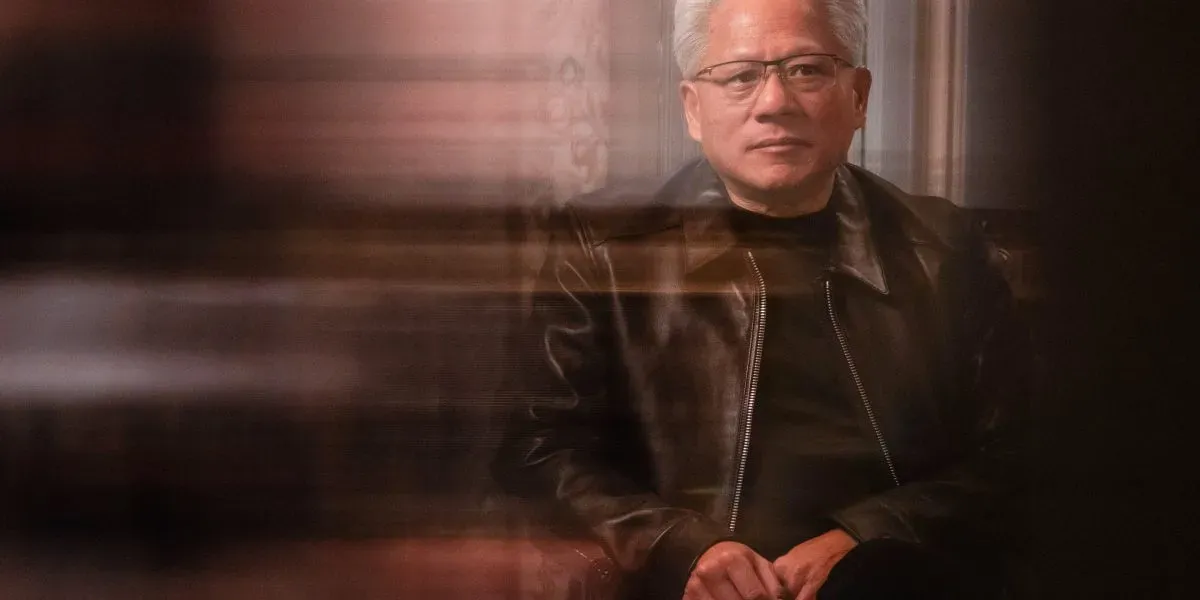
Nvidia's 33-year reign as a leader in the AI industry has been marked by unprecedented success under the guidance of CEO Jensen Huang. As one of the most powerful figures in the tech world, his influence extends far beyond the company's financials, which now stand at an impressive $4.3 trillion.
However, Huang's personal life has come under scrutiny following a recent admission that he had been unfaithful to his wife. This revelation has sparked a wider investigation into reports that he was targeted by a foreign intelligence effort, with Nvidia's board announcing its own inquiry into the matter.
According to sources, U.S. authorities have concluded that Huang's alleged relationship with a woman was indeed linked to Chinese intelligence operations. While Nvidia's board maintains that national security and company secrets were not compromised, it has chosen to investigate further, gathering "all available information" in the process.
The investigation poses significant challenges for investigators, who must navigate the complexities of corporate governance while considering the potential ousting of one of America's most influential AI leaders. Huang's position at Nvidia is unique, with many experts describing him as the company's linchpin.
Nvidia's power structure has been designed to favor centralized decision-making, with Huang holding significant sway over key decisions. This setup makes it difficult for investigators to separate individual actions from corporate responsibilities, adding an extra layer of complexity to the inquiry.
As the investigation unfolds, experts are warning that Nvidia's reputation and corporate identity may be at stake. The company's influence extends far beyond its financials, with many in the tech industry aspiring to emulate its success and leadership style.
Nvidia's leadership structure is centered around its long-time CEO, who has held the position for an impressive 33 years. During this time, he has established a unique system where decision-making authority rests largely in his hands. The company lacks a chief operating officer, and Huang has about 60 direct reports, creating uncertainty about who would take over if he were to step down.
As Nvidia's fortunes have soared since the AI boom took off in late 2022, so too has Huang's influence within both the company and the broader industry. He is known for playing a key role in shaping strategic and technical decisions, which has contributed to his growing reputation as a visionary leader. His success has earned him celebrity status in tech circles.
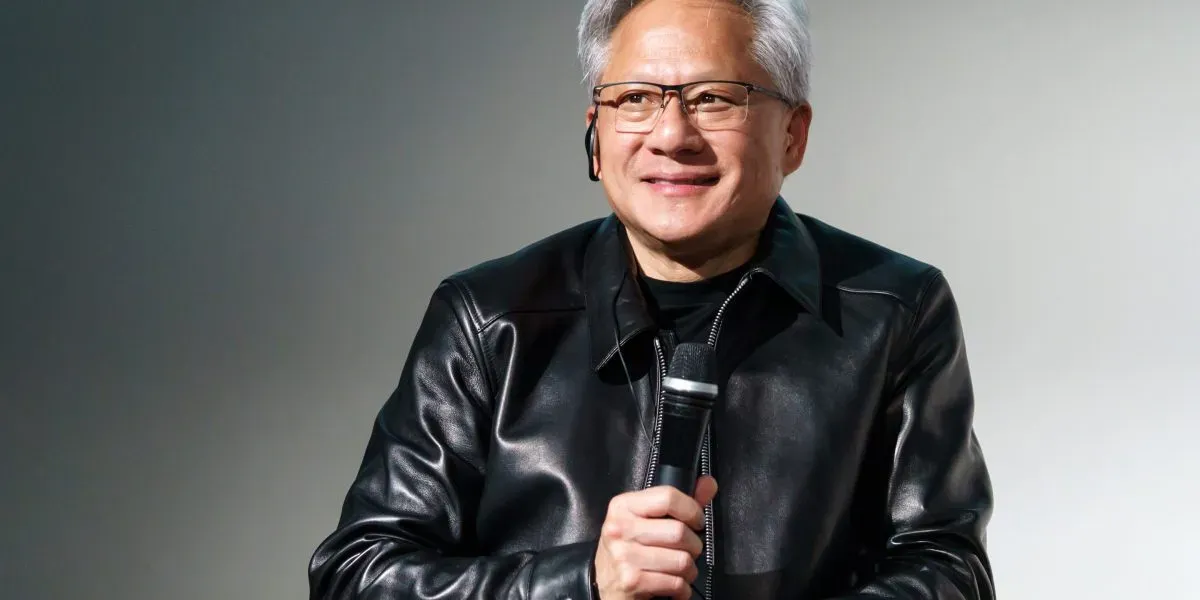
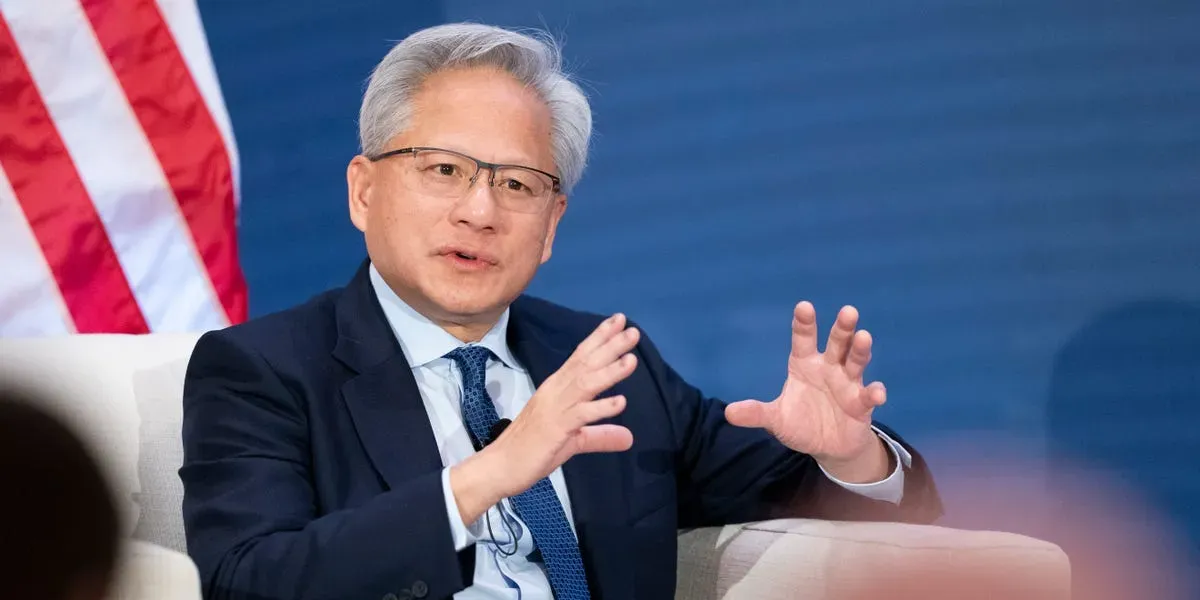
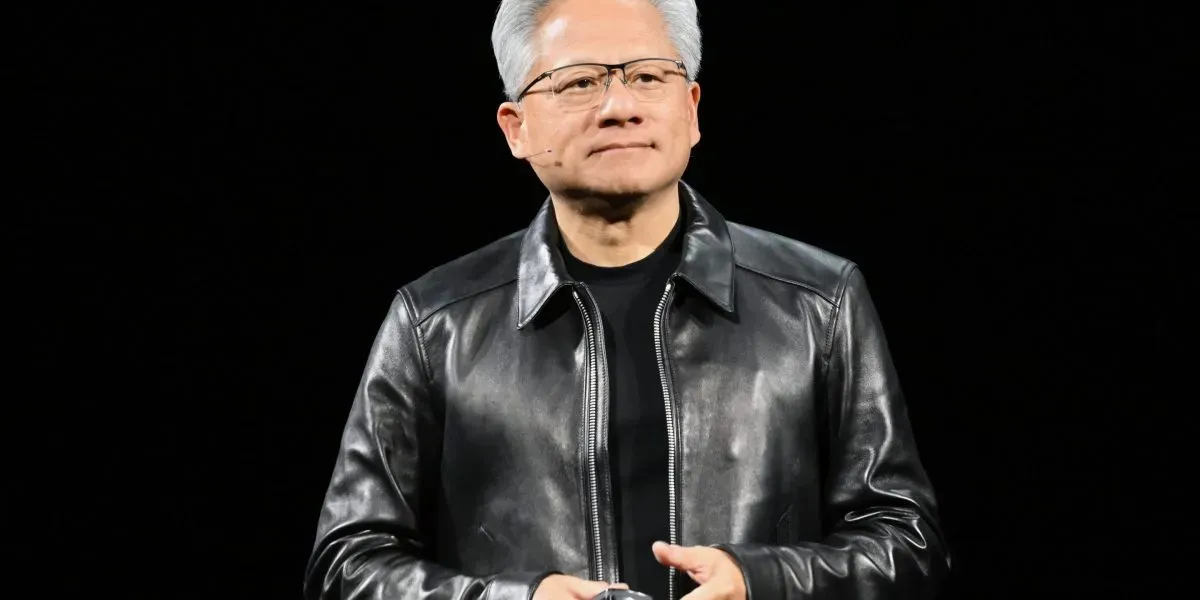
Huang's personal style has become an object of fascination among fans and followers, who often emulate his fashion sense by wearing leather jackets. At corporate events, he is frequently mobbed by admirers seeking selfies or autographs. His close relationship with the Trump administration is another aspect of his high profile, as he has served as a trusted advisor on AI issues and even accompanied them on international trips.
As one of Nvidia's largest individual shareholders, Huang holds a significant 3.56% stake in the company. However, unlike some other tech industry leaders, such as Mark Zuckerberg at Meta Platforms, he does not have super-voting shares that would grant him greater control over the business. Despite this, his leadership has been instrumental in shaping Nvidia's position as the world's second most valuable company.
Nvidia's dominance of the high-powered GPU computer chip market is a testament to Huang's strategic vision and leadership. The company is estimated to control around 90% of this lucrative sector, which is used extensively in AI data centers.
Nvidia's corporate structure has been called into question following allegations against its CEO. The company operates without a chief compliance officer, a position that was queried by the Securities and Exchange Commission in September 2022. In response to these concerns, Nvidia pointed out its compliance committee, which includes the chief financial officer, executive vice president of operations, and senior vice president of human resources.
This group is responsible for ensuring adherence to company policies. However, some experts have raised doubts about the effectiveness of this setup. The absence of a dedicated chief compliance officer may leave vulnerabilities in Nvidia's governance structure. This issue has sparked debate about the company's leadership dynamics and its ability to manage risk.
The situation at Nvidia bears little resemblance to other high-profile corporate scandals involving CEO relationships. In 2019, McDonald's fired Steve Easterbrook after he had an affair with an employee, violating company policy. The fallout from this incident was significant, with the company suing to recover $105 million in exit compensation and equity from Easterbrook.
The dominant position of Nvidia's CEO, Jensen Huang, has also raised concerns about the company's resilience in the face of future challenges. According to Jason Schloetzer, an associate professor at Georgetown University who specializes in CEO succession practices, Nvidia's concentration of power makes it vulnerable to potential issues.
This vulnerability is particularly noteworthy given Nvidia's significant role in developing U.S. technology. As a leading player in AI data centers, the company has a substantial stake in the industry's future. Any challenges to its leadership or governance structure could have far-reaching implications for the sector as a whole.
The sudden departure of Nvidia's CEO Jensen Huang has left the tech giant without a clear succession plan in place, according to experts who warn that this lack of preparation could have serious consequences for the company and the industry as a whole.
In contrast to many other companies, Nvidia does not seem to have a well-defined plan for leadership transition, which could lead to uncertainty and instability within the organization. This situation is particularly concerning given the critical role that Huang plays in Nvidia's success.
Experts point out that corporate risk efforts often focus on leaks from lower-level employees rather than the potential risks posed by high-ranking executives. As a result, companies may not always be prepared for the sudden departure of their leaders.
The board of directors has been criticized for not having a clearly outlined succession plan that would have given investors and stakeholders advance notice of any changes. This lack of transparency could lead to market volatility and uncertainty as investors try to assess the implications of Huang's departure.
As Nvidia navigates this challenging situation, several potential interim CEOs have emerged as possibilities, including the company's lead independent director Stephen Neal, Chief Financial Officer Colette Kress, or even members of Huang's own family, who are also employed by the company.
The investigation into Huang's conduct may lead to his removal as CEO, either at the end of the inquiry or sooner, according to Burke. This outcome is possible if the board decides to take action against him during its probe.
Huang has maintained that he does not believe in traditional succession planning, opting instead to pass on his knowledge and experience to colleagues. He has even expressed a desire for the next CEO to be someone already within the company, although Nvidia has yet to publicly identify a suitable candidate.
Facts based on reporting originally published by Fortune.
You may republish this story, in full or in part, if you credit News Central Site and link to it (licence CC BY 4.0). Photos are not included.