Multibillion-dollar penalty for Meta after jury rules against company
A landmark lawsuit against Meta has resulted in a massive multibillion-dollar penalty after a jury ruled in favor of the state.
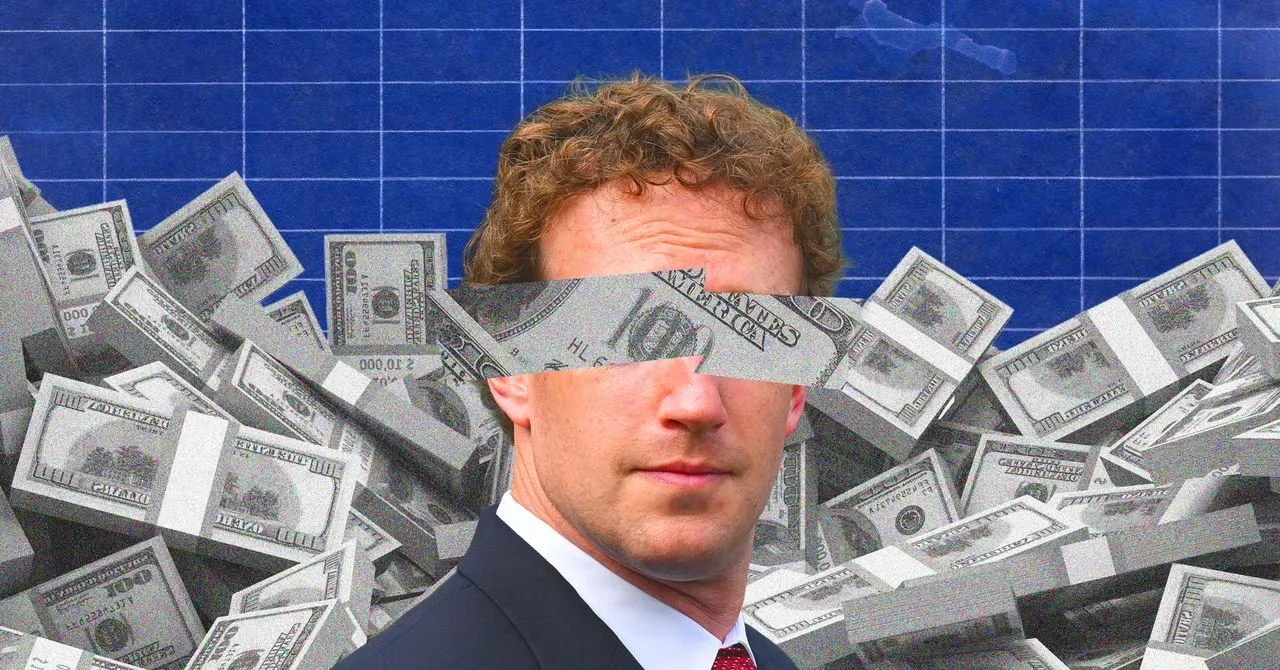
A landmark lawsuit against Meta has resulted in a massive multibillion-dollar penalty after a jury ruled in favor of the state. The company was accused of violating the state's Unfair Practices Act by misleading users about how their data is handled.
At the heart of the case is the argument that Meta is being held accountable for its online practices, with its chief legal officer describing the lawsuit as an attempt to impose a "tax on speech" to enforce new rules for what people can say online. This verdict adds to the growing list of Meta's legal troubles this year.
In another related case in New Mexico, a jury ruled that Meta should pay $375 million for violating the state's Unfair Practices Act, specifically regarding child safety. The trial had two phases, with the second resulting in an additional $567 million penalty for Meta.
A separate court has also found Meta liable for harming a user's mental health due to its app design features, and the company is being held responsible for most of the $6 million awarded to the plaintiff, a young woman.
Meta has been in hot water over its app design features that allegedly harm kids' mental health. In August, the company settled a high-profile federal case brought by most US states, which centered on addictive features in its apps.
As part of this settlement, Meta will pay the states between $17 and $18 billion over 10 years. This is a significant sum, but it's worth noting that it may not be enough to deter the company from continuing its business practices.
The recent New Mexico trial saw state attorneys seeking damages in the range of $35 to $45 billion for alleged violations. However, even if Meta was held liable for this amount, it would still face relatively minor consequences given its massive size and financial resources.
Meta's stock took a hit on Thursday, but this drop can be attributed to a combination of factors including its earnings report from the previous day, heavy investments in AI technology, and broader market trends affecting AI stocks.
Meta's troubles are not limited to its financial struggles. The company is also facing mounting criticism and scrutiny from various quarters, including juries, protesters, and even its own employees. This perception problem has been a persistent issue for Meta, with many questioning the company's internal policies and actions.
The accumulation of evidence against Meta through court cases is another significant factor that could lead to change. According to Corban Rhodes, partner at DiCello Levitt, every time Meta fails to settle a case, the evidence presented in trial can be scrutinized by the public and used in future cases. This creates a snowball effect that can ultimately hold the company accountable.
One notable example of such evidence is a 2018 email sent by then-COO Sheryl Sandberg to her colleagues shortly after the Cambridge Analytica scandal broke. In it, she revealed that there were over a million developers with access to user data. This revelation has been a major point of contention and raises questions about Meta's handling of sensitive information.
The transparency provided through court cases is particularly significant, as it allows for the public to see documents and evidence that had previously been kept secret. In this case, more than 100 exhibits were made public during the trial, shedding light on internal company policies and practices.
The ruling by a Delaware judge in March has sent shockwaves through the industry, as it suggests that private insurers may not be willing to cover the costs of Meta's legal defenses.
This development is significant because it raises questions about the long-term financial sustainability of companies like Meta, which are facing an unprecedented number of lawsuits. While there is no clear threshold at which a company becomes vulnerable to collapse, shareholders and board members may start to focus on individual directors or officers who have been making questionable decisions.
According to Brian Quinn, a law professor at Boston College Law School, this shift in perspective could lead to problems for the company. Quinn notes that under current indemnification laws, individuals within a company are not automatically liable for violating laws, even if they were found to be responsible.
Quinn suggests that companies like Meta may face difficulties if it is demonstrated that their officers or directors were acting outside of good faith when making decisions, which could lead to personal liability and potentially severe financial consequences.
The accumulation of negative results could lead to a turning point for Meta, where shareholders may demand that the corporation can no longer indemnify its directors. This change in protection could result from angry shareholders standing up and making their voices heard.
Meta's executives would likely feel less secure without this indemnification, which could prompt changes within the company. As the company continues to navigate the complex landscape of AI, its legal woes are unlikely to subside anytime soon.
Facts based on reporting originally published by Wired.
You may republish this story, in full or in part, if you credit News Central Site and link to it (licence CC BY 4.0). Photos are not included.