Midterm Voters Unite Behind Democrats' Economic Agenda
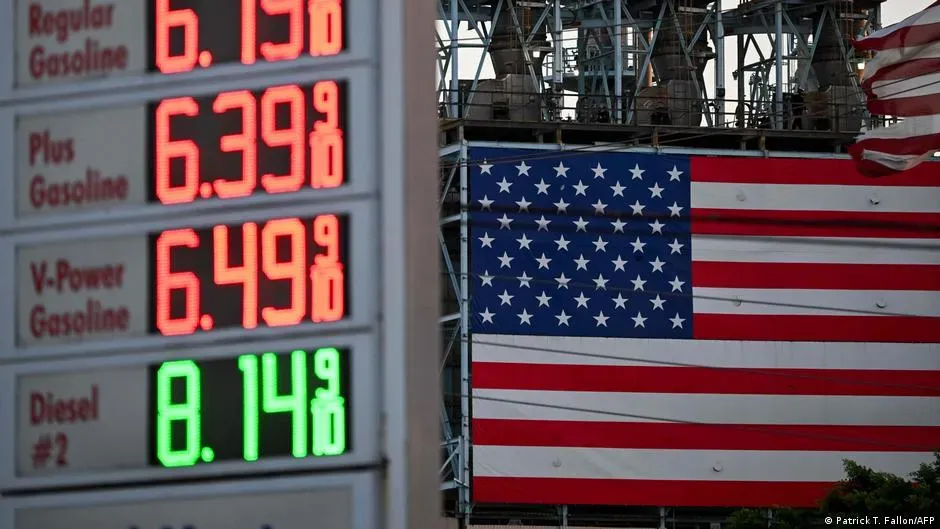
A significant majority of midterm voters held negative views of the economy, with over 80% expressing concern about essential costs such as gasoline, groceries, and healthcare.
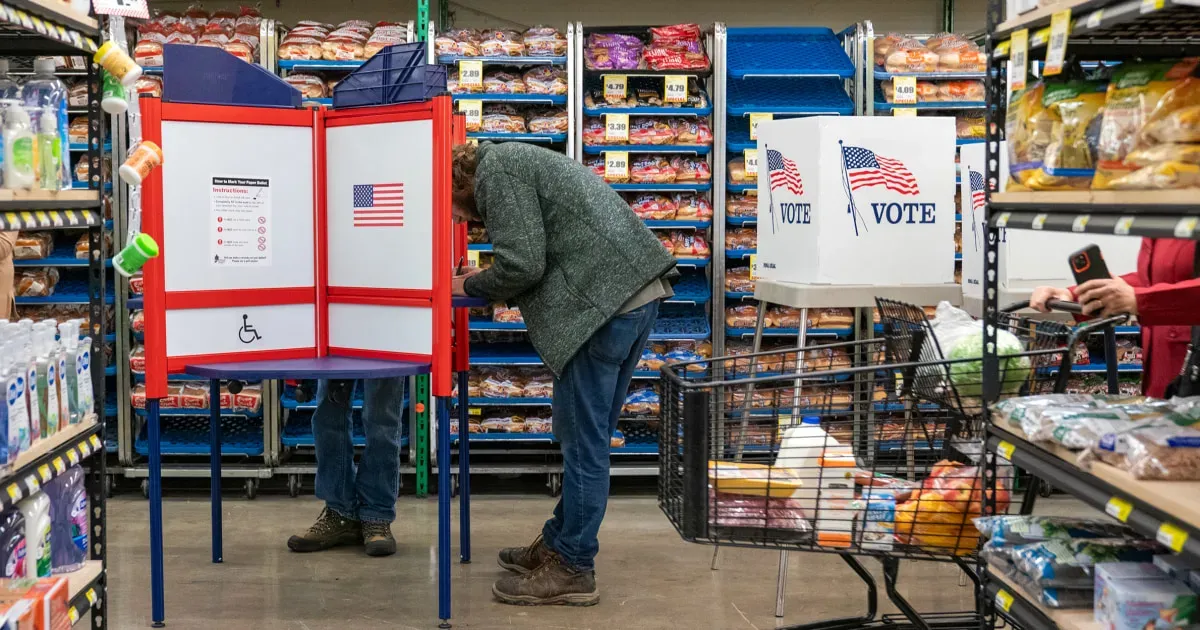
Historic electoral victories for Democrats have been announced, with voters across different demographics and party lines uniting behind a common goal: making life more affordable for Americans.
The challenge now lies ahead as Democrats face the reality of delivering on their promises. A significant majority of midterm voters held negative views of the economy, with over 80% expressing concern about essential costs such as gasoline, groceries, and healthcare.
These concerns played a pivotal role in shaping voter sentiment, with a notable shift from 2024's election results. This time around, more voters trusted Democrats to handle economic issues than Republicans.
As Democratic candidates successfully made the high cost of living a central campaign issue nationwide, their opponents struggled to redirect attention away from it and towards fears of socialism, crime, and Islamophobia.
House Democratic leaders are vowing to tackle the affordability crisis that has been affecting everyday Americans, with a key goal of addressing rising costs for essential goods and services.
To achieve this, they plan to explore legislation that would limit President Trump's authority to impose tariffs, which could contribute to increased prices for consumers. Another potential measure is to reinstate Republican-led cuts to healthcare funding, which could make medical care more affordable for millions of Americans.
However, passing such legislation is not a straightforward process. As president, Trump has the power to veto any bill passed by Congress, and Democrats lack the two-thirds majorities needed in both chambers to override his veto.
In light of this challenge, President Trump's willingness to work with the opposition party following the Democrats' wins on Tuesday night may be seen as a crucial factor in determining whether affordability measures can become law.
The Democratic Party's campaign trail promises on economic issues have been a key aspect of their strategy to appeal to voters.
One of the central planks in their platform is restoring Affordable Care Act health insurance tax credits that expired in 2025 and reversing Medicaid cuts and work requirements introduced by Republicans in their 2025 tax bill.
Hakeem Jeffries, who is considered a front-runner to become the speaker of the House, has outlined plans to address economic inequality through these measures.
Some Democratic candidates have also proposed addressing rising healthcare costs.
The Democratic campaign has centered around affordability, with many candidates vowing to address rising costs on everyday essentials like healthcare, housing, and energy.
Some proposals have focused on reducing healthcare costs by addressing rising medical expenses and pharmaceutical prices. Others have targeted the high cost of living in urban areas, pledging to increase funding for affordable housing initiatives.
Several Democratic candidates have also proposed using policy levers to lower gas prices, including an end to the war in Iran and a suspension of the federal gas tax. In addition, some have called for limiting the construction of new data centers to help curb rising electricity costs.
Some Democratic candidates have expressed a willingness to work with President Trump on specific issues, such as suspending federal taxes on gas and diesel or cutting regulatory red tape to make housing more affordable.
The economic benefits of Trump's policies have largely benefited the wealthy, leaving many Americans struggling to make ends meet.
Despite a low unemployment rate, new job creation has been stagnant in most sectors except healthcare, where growth has been limited to a few areas.
Economists attribute this trend to Trump's own policies, which have driven up consumer prices through tariffs and created uncertainty that has weighed on the manufacturing sector.
The ongoing trade war with Iran has further exacerbated economic woes, driving up gas prices and fueling inflation concerns.
The economic legacy of President Trump's administration has been marked by a mix of positives and negatives. A key achievement has been his success in cutting taxes, which economists believe is helping to fuel corporate investments and boost economic growth.
However, some of the benefits of these tax savings have been offset by rising prices, according to an analysis by the Tax Foundation, a Washington-based nonprofit organization. This trend suggests that while Trump's tax cuts may be having a positive impact on business investment, they are not necessarily translating into tangible benefits for ordinary citizens.
Facts based on reporting originally published by NBC News Politics.
You may republish this story, in full or in part, if you credit News Central Site and link to it (licence CC BY 4.0). Photos are not included.