Machu Picchu Weather Factors Influence Travel Planning
Visitors to Machu Picchu must balance clear views with smaller crowds due to varying weather conditions.
Visitors planning a trip to Machu Picchu often have a clear idea of what they want to see and experience before even booking their travel dates.
However, the massive scale and intricate stone walls of the Inca city demand time to take in and appreciate fully, making it essential to allocate sufficient time for exploration.
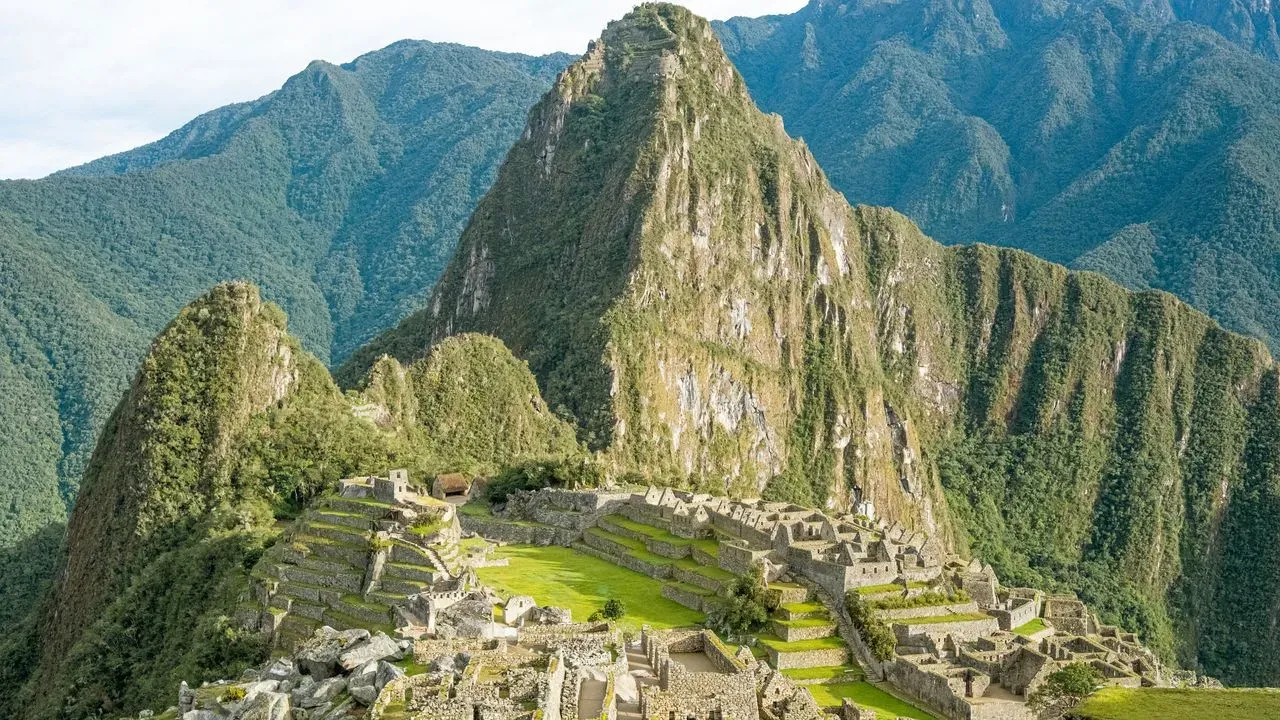
But there's another crucial factor to consider: the weather. A single bank of cloud can obscure Waynapicchu, the peak behind the ruins, and with it the breathtaking panorama that draws visitors from around the globe.
While the drier months may offer better odds of clear views, they also coincide with peak tourist season, resulting in larger crowds and longer lines at popular entry points.
On the other hand, the weeks immediately following the rainy season often bring lush greenery to the slopes and a welcome respite from the crowds that flock to Machu Picchu during its dry winter months.
To make the most of their visit, first-time travelers must weigh their priorities: do they crave clear views or prefer smaller crowds? The answer will determine the best time for them to arrive in this Andean wonderland.
The route calendar plays a significant role in planning a trip to Machu Picchu, particularly for those hoping to walk to the Sun Gate or Inca Bridge.
The shoulder season in Machu Picchu offers a unique advantage for travelers who can tolerate some rain and mist.
Alice Farkas, marketing and communications lead at Aracari, suggests that April is an excellent time to visit, with fewer tourists yet still pleasant weather.
Kiernan Cochran from Andean, which plans trips throughout Peru, agrees that the early part of May is also a good option for those who prefer drier conditions.
However, Cochran notes that popular routes tend to fill up quickly, requiring similar lead times as high season.
Visiting Machu Picchu during the off-season, November through March, can result in significant savings on airfare and accommodations.
Yet, strategic planning is crucial during this period, particularly when it comes to permits for popular routes like Huayna Picchu, which still require three-month advance booking.
The rainy season has its own charm, as expert guides point out that the rain mainly falls at night, rather than throughout the day.
The ticket system at Machu Picchu is complex and divided into various categories based on route and entry time.
Visitors should be aware that even if there is overall availability for tickets, their preferred route and entry time may still be full due to the specific allocation process.
To increase chances of securing a spot on popular routes, travelers are advised to book about six months in advance during peak season and at least three months ahead during off-peak periods.
Given the importance of planning ahead when visiting Machu Picchu, it's essential for first-time visitors to allocate sufficient time to explore the region.
A recommended duration for exploring the area is four or five nights, which allows for a gentle acclimatization process and a more leisurely pace.
The Sacred Valley serves as an ideal starting point, providing an introduction to the Inca culture that built Machu Picchu through its well-preserved towns and terraces.
Cusco, situated at approximately 11,150 feet above sea level, is where flights currently land, but travelers can opt to head straight down to the Sacred Valley for a gentler start.
Before arriving at Machu Picchu, it's essential to choose the right route for your visit, as each one offers a unique perspective on this ancient Inca site.
The official route maps divide the site into three circuits: Classic Circuit 1, Classic Circuit 2, and the lower royal sector circuit. Each circuit has its own routes that cater to different interests and physical abilities.
When deciding which route to book, consider your priorities - do you want to witness the breathtaking upper-terrace panorama or explore the Inca buildings of the urban sector? The Classic Circuit 2 is recommended for a single visit, as it pairs a viewpoint with a walk among the Inca ruins.
Route 2-B takes its view from the lower terrace, which may be worth knowing if you have a specific camera angle in mind. On the other hand, route 1-B offers an upper-terrace panorama while keeping you above the main streets.
For those who want to experience the classic view down onto the site, Circuit 1's route 1-A adds the climb up Machu Picchu Mountain. Meanwhile, the Sun Gate and Inca Bridge carry seasonal tickets of their own, requiring separate permits.
Circuit 3 covers the lower royal sector, including the Temple of the Sun. If you're interested in exploring this area, consider booking Circuit 3 separately, as it offers a unique perspective on the site's history.
If your preferred route sells out, Andean recommends booking Circuits 1 and 3 separately to combine the panorama with a closer look at the ruins. However, be aware that tickets cannot be switched to another route once you arrive at Machu Picchu.
When purchasing tickets for Machu Picchu, it's essential to understand what's included in your hike before buying additional admission.
Under new rules introduced in September 2026, trail arrivals enter on a designated Circuit 3-B ticket, which has implications if you also want to visit Circuit 2 or the upper panorama.
Heavy rainfall can disrupt access to the kilometer 104 path outside of the usual February maintenance period, making it crucial to consider weather conditions during rainy season travel.
To secure entry to Machu Picchu, tickets must be purchased through the Ministry of Culture's online portal, Tu Boleto.
When buying tickets, visitors are required to enter their details carefully, matching names and information to the same identification document they'll present at the gate.
Travelers to Machu Picchu typically begin their journey in Cusco, where they can board a train from Ollantaytambo in the Sacred Valley for the ride along the Urubamba River to Machu Picchu Pueblo.
From there, a separate shuttle bus takes passengers up to the entrance of the site, a trip that usually lasts around half an hour.
When planning their travel arrangements, visitors should check the boarding points and total travel time before choosing a fare, as some departures from Cusco may involve a bus-and-train transfer during certain periods.
For first-time visitors, arriving by morning train from the Sacred Valley and entering the site in the afternoon can be a good strategy for avoiding crowds; typically, three or four hours is sufficient to explore the area.
Among the premium trains available are options like Belmond's Hiram Bingham, PeruRail's Vistadome Observatory, and IncaRail's First Class.
Facts based on reporting originally published by Conde Nast Traveler.
You may republish this story, in full or in part, if you credit News Central Site and link to it (licence CC BY 4.0). Photos are not included.