Influencer Gifting Up 350% Compared to Last Year
The typical brand now sends significantly more free products to creators annually due to the rise of influencer gifting.
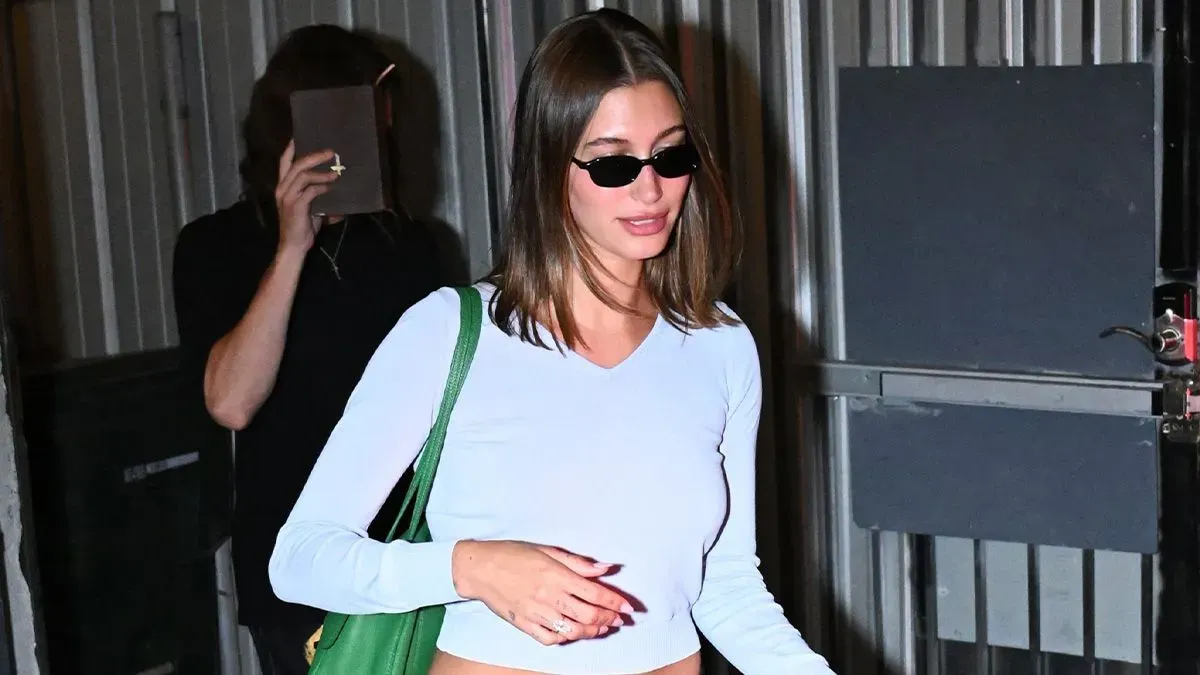
Influencer gifting has become a standard practice in the industry, with brands sending out significantly more free products to creators than they did just last year.
According to data from affiliate platforms, the typical brand now sends 350% more gifts annually compared to 2022, while another platform's study found that the average number of creators collaborated with by brands rose by a staggering 275% in the past year.
However, despite this surge in product delivery, it seems that more gifting hasn't necessarily translated into increased visibility for brands. In fact, the opposite may be true.
The changing landscape of influencer marketing has led to a shift away from traditional gifting strategies, with algorithms now prioritizing reach beyond a creator's immediate followers and affiliate platforms making posting feel increasingly transactional.
Celebrity stylist Dani Michelle notes that the problem lies in overplay: "There has just become too much of it all: too much gifting, too much content, too many paid posts."
In an effort to navigate the complex landscape of influencer marketing, some brands are turning to affiliate platforms as a more transparent and effective way to reach their target audience.
These platforms, such as ShopMy and LTK, allow brands to upload curated selections of products, often referred to as gifting lookbooks, which creators can then browse and choose from. This approach gives both parties greater control over the process and ensures that gifted goods are more likely to be showcased online.
When a creator shares one of these products, they do so with a trackable link, earning commission on any sales it drives in return. This not only provides brands with valuable insights into which posts are most effective but also incentivizes creators to post high-quality content.
The success of this model is evident in the way it allows brands to identify top-performing creators based on their ability to drive sales rather than just their follower count. As ShopMy's marketing head Ivy Zhang notes, this shift in focus means that gifting is starting to resemble a sales channel more closely than a marketing expense.
Meanwhile, changes in social media algorithms are also having an impact on influencer marketing strategies. With follower growth slowing and non-follower views increasing, brands are being forced to rethink their approach to reaching their target audience.
The practice of gifting high-end products to influencers and celebrities has become increasingly widespread over the past few years, according to a PR agency founder who brokers such deals.
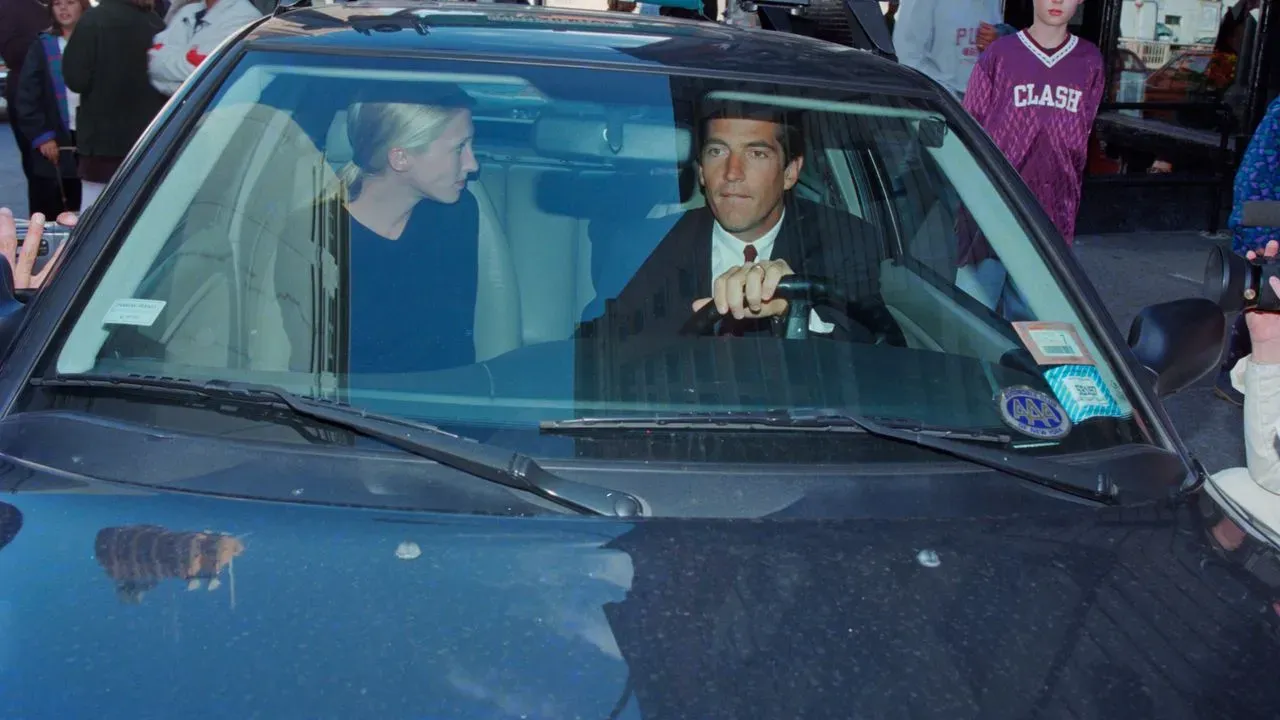
However, what's changed is the way brands can now leverage these collaborations for maximum visibility. They can repurpose images taken by paparazzi and link them directly to their online shops, creating a seamless shopping experience for consumers.
This approach has become more appealing to brands as it offers an air of authenticity in an era where consumers are highly aware of sponsored content. Brands prefer photos that appear unplanned or candid, such as those taken at airports or coffee shops, over formal editorial shots.
The cost of securing an A-list placement can be substantial, ranging from $25,000 to $30,000 per item, with top-tier names commanding north of $50,000 for a single piece. The payment typically goes to the stylist who selects and coordinates the product rather than the celebrity themselves.
Payment is only made once the item has been worn and documented by the celebrity or influencer, meaning that brands have some level of control over whether their products are featured in a particular setting or event.
The world of influencer marketing is becoming increasingly complex, with various arrangements being made behind the scenes.
Some brands opt to build relationships with stylists, who often receive gifts and cash in exchange for featuring their products in editorial content.
Agency founders claim that paid placements can be lucrative, generating significant returns on investment through direct sales, although this outcome is not guaranteed.
However, some brands have reported earning substantial profits from using placement images as advertisements without securing the necessary rights, with one brand reportedly paying an additional $20,000 for this privilege.
Brands like Colleen Allen's self-funded label are taking a more measured approach to influencer gifting, only doing so once their products are stocked at major retailers.
In today's algorithm-driven landscape, influencer gifting is no longer a one-size-fits-all strategy for brands looking to make an impact. Instead of blanket sending products to as many influencers as possible, savvy marketers are now focusing on precision and targeting the right names.
According to Alison Bringé, CMO at Launchmetrics, "volume on its own isn't what drives value anymore; it's the precision." This shift in approach is evident in Rare Beauty's strategy, where each launch is met with a new, carefully curated list of niche creators who align with the brand's message and aesthetic.
For instance, when launching the Selena Gomez x Demi Lovato campaign, Booker targeted early-2000s nostalgia accounts to create buzz around the product. This targeted approach not only increases the effectiveness of influencer gifting but also helps brands stand out in a crowded market.
In addition to targeting specific creators, brands are also rethinking the way they send out products. Booker's test is whether it's worth filming the experience and sharing it with her audience. As someone who receives a million boxes a day, she has developed a keen sense of what resonates with her followers, and it's not just about receiving free stuff.
In fact, even when brands do opt for traditional gifting, they need to rethink their channels. Chalmers, for instance, has stopped gifting VIPs through their personal teams altogether, opting instead for more direct and targeted approaches that yield greater returns on investment.
In an effort to maximize returns on investment, fashion brands are shifting their focus towards collaborations with stylists rather than relying solely on influencer gifting programs.
This approach is yielding significant benefits for Australian label Kat The Label, which has seen a notable increase in demand after being featured on the red carpet by popular artists such as Sabrina Carpenter and Charli XCX. When Carpenter wore a piece from Kat The Label, the style quickly gained popularity and sparked a waitlist for the brand.
By partnering with stylists, brands can tap into their extensive networks and access high-profile clients who are more likely to showcase their products in a meaningful way. Michelle notes that stylist-placed pieces carry greater intention and authenticity, as they are carefully curated to fit the client's personal style and aesthetic.
The success of this approach is evident in the case of Jennifer Lawrence, who was introduced to Colleen Allen's brand through her stylist, Ryan Hastings. Her subsequent purchase of a chartreuse velvet house coat from the label sold out immediately, demonstrating that sometimes the best placements are those that emerge organically through strong relationships rather than carefully orchestrated brand investments.
Facts based on reporting originally published by Vogue.
You may republish this story, in full or in part, if you credit News Central Site and link to it (licence CC BY 4.0). Photos are not included.